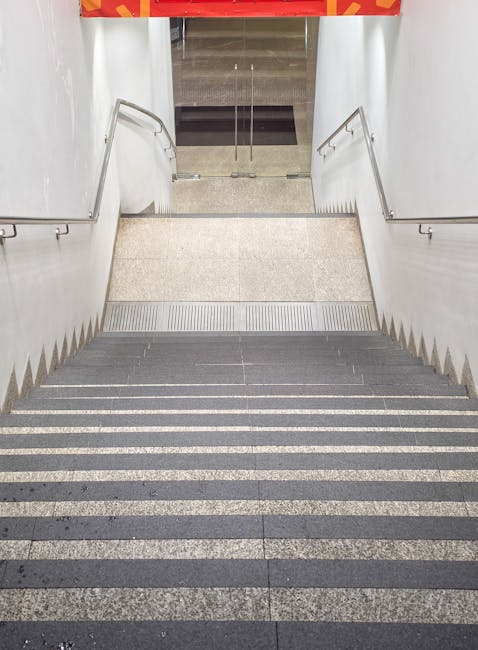
Access issues for Harringay stairwells and cleaning teams: a practical guide for safer, smoother cleaning
Anyone who has tried to move a hoover, mop bucket, or a full set of cleaning kit up a narrow stairwell knows the feeling: one awkward turn, a tight landing, and suddenly a simple visit becomes a small logistics puzzle. That is the real-world side of Access issues for Harringay stairwells and cleaning teams. It is not just about getting through a door. It is about making sure cleaners can work safely, residents are not disrupted, and the job is completed properly the first time.
In Harringay, where properties can range from converted flats and maisonettes to shared homes and older buildings with tricky layouts, access planning matters more than people often expect. This guide breaks down what access issues usually look like, why they matter, how professional teams handle them, and what you can do to avoid delays, friction, or preventable risk. If you manage a building, live in one, or book cleaning for one, this is the sensible starting point.
Why access issues for Harringay stairwells and cleaning teams matters
Stairwells are not just transit space. They are often the narrowest, most shared, and most sensitive part of a building. When access is poor, everything gets harder: cleaning takes longer, equipment is harder to move, residents feel disrupted, and the risk of damage or complaint rises fast. That is especially true in properties with tight bends, low lighting, worn handrails, or storage left in communal areas.
In practical terms, access issues can affect speed, quality, safety, and cost. A cleaner who can move comfortably between floors will spend more time on the actual job and less time wrestling with obstacles. That sounds obvious, but in the real world it is the difference between a smooth appointment and a day full of avoidable problems. And to be fair, most of those problems are not dramatic. They are small things stacking up.
There is also a trust element. If a resident has to explain the same awkward access point every visit, they start to feel the service is reactive rather than organised. Clear access planning signals competence. It reassures everyone involved: residents, landlords, managing agents, and cleaning teams.
If your property also needs broader upkeep, it can help to look at services that suit shared spaces, such as communal area cleaning or deep cleaning, because stairwells often need a different rhythm from domestic rooms.
How access for stairwells and cleaning teams works
Good access planning usually begins before the team arrives. That means understanding the building layout, how the stairwell is used, and whether the cleaners can move safely with their equipment. In older Harringay homes, the route itself can be part of the challenge: narrow staircases, split-level entrances, shared hallways, locked internal doors, and limited space for parking or loading.
For cleaning teams, the process often looks like this:
- Pre-visit information is gathered. This includes entry method, floor level, any key safe or buzzer details, and whether there are stairs only or lift access too.
- Risks are checked. Teams look at trip hazards, fragile surfaces, poor lighting, sharp turns, and whether the route is clear enough for safe movement.
- Equipment is matched to the route. A compact vacuum, a lightweight trolley, or smaller chemical containers might be more appropriate than bulkier kit.
- The building is entered with minimum disruption. Cleaners usually work around residents, keeping noise and movement sensible. Nobody wants a mop bucket blocking the only landing, let's face it.
- The stairwell is cleaned in a logical order. That may mean top to bottom, or from the cleanest area outward, depending on the building and what is being removed.
- Access issues are reported if needed. If something blocked the job, the team should document it clearly rather than quietly guessing their way through it.
For recurring work, the best results come when access details are kept up to date. A building that was easy to enter last winter may be a nuisance now if keys, codes, or communal arrangements have changed.
Sometimes access problems are tied to the cleaning type itself. For example, a property with after-renovation dust and debris may need a different plan from a standard weekly visit. In those cases, after builders cleaning is often the more realistic option.
Key benefits and practical advantages
When stairwell access is planned properly, the benefits are immediate and pretty noticeable. Not glamorous, maybe, but real.
- Less disruption for residents because cleaners are not repeatedly asking for help or blocking shared space.
- Safer working conditions for the cleaning team, especially on steep or narrow stairs.
- Better cleaning quality because energy goes into the task, not into navigating avoidable obstacles.
- Lower chance of accidental damage to walls, bannisters, paintwork, or flooring.
- More predictable timing which helps if the visit is scheduled around tenants, guests, or office occupants.
- Fewer complaints because expectations are clearer from the start.
There is another benefit people sometimes miss: access planning supports consistency. If a building is cleaned regularly, a team that understands the stairwell layout can work much more efficiently over time. That matters for regular cleaning, where repeated access issues can quietly erode the value of the service.
Expert summary: In stairwells, the quality of the cleaning is often limited first by access, not by technique. Sort the route, and the cleaning gets better almost immediately.
Who this is for and when it makes sense
This topic matters to more people than you might think. It is not only for block managers or cleaning companies. It is for anyone responsible for shared access and cleaning outcomes in Harringay.
- Homeowners in converted properties who want hallways and staircases kept clean without damaging finishes.
- Landlords and letting agents who need access details sorted before a clean between tenancies.
- Residents in flats and HMOs who share entrances, stairwells, and landing spaces.
- Businesses in older premises where cleaning teams must move through tight internal routes.
- Airbnb hosts who need a quick turnaround and cannot afford a chaotic arrival process.
- Building managers who want fewer complaints about blocked corridors, noise, or missed spots.
It also makes sense when a property is going through change. For example, after moving furniture, during a turnover clean, or following decorating work, access can become unexpectedly awkward. A stairwell may be technically usable but not practically efficient. That is where a plan helps.
If you are preparing a property for new occupants, move out cleaning and move in cleaning can both benefit from access notes that are precise, not vague. "Front door works" is not enough. Which key? Which bell? Which landing? That sort of thing.
Step-by-step guidance
If you want fewer access headaches, a simple process works better than improvisation. Honestly, that is true in most buildings.
1. Map the route before the appointment
Know exactly how the team gets from street level to the work area. Identify stairs, internal doors, locks, call systems, and any narrow sections. If the building has more than one entrance, note which one is safest and easiest to use.
2. Remove preventable obstacles
Hallway shoes, parcels, prams, bikes, bins, and random storage all eat up space. Stairwells in particular need clean routes, because a small object can become a major obstruction on a turn or landing. It sounds minor. Then somebody trips, and suddenly it is not minor at all.
3. Confirm who will provide access
Will the resident be home? Is there a key safe? Is the porter available? Who answers the buzzer? These details matter because cleaners should not be left waiting outside or wandering around shared entrances trying every bell in the building.
4. Match the cleaning method to the building
A compact, low-noise approach may suit a residential stairwell. A more intensive method may suit a building that has not had attention for a while. For heavier jobs, some clients combine stairwell access planning with one off cleaning or house cleaning depending on the layout and usage.
5. Protect fragile areas
Painted walls, glass, polished bannisters, old tiles, and softwood handrails can all be marked if equipment is dragged or bumped. Good teams use sensible carrying methods and avoid overloading themselves.
6. Review the result and log issues
After the clean, note whether access was smooth, where delays happened, and whether anything should be changed next time. The first visit often teaches you more than the planning sheet does.
Expert tips for better results
These are the small things that make a real difference. Not fancy. Just useful.
- Keep access notes short and specific. "Use side entrance at rear, code on request, steep stairs to second floor" is much better than a long ramble.
- Give cleaners the quiet path if one exists. In a busy block, one route may disturb residents less than another.
- Choose equipment with the route in mind. A lighter setup can be more effective in tight stairwells than a heavy, overly ambitious kit.
- Leave landings clear on cleaning day. This sounds basic because it is. Basic, but important.
- Plan around peak movement times. School runs, commute hours, or guest check-ins can all make a stairwell harder to use.
- Check lighting before the team arrives. A dim stairwell is not just annoying; it increases the risk of slips and missed dirt.
One small but effective habit is to walk the route yourself once, carrying something similar to what a cleaner might bring. You will spot the awkward door handle or the turn that narrows more than you expected. It is a simple test, but it tells the truth very quickly.
For properties with recurring cleaning needs, using a dependable service such as communal area cleaning can help keep standards steady without treating every visit like a fresh puzzle.
Common mistakes to avoid
Most access problems are avoidable. That is the frustrating bit. The good news is that once you know what goes wrong, you can prevent a lot of it.
- Assuming everyone knows the layout. New cleaners, replacement staff, and residents do not.
- Leaving access details until the day of the visit. By then, the schedule is already tight.
- Ignoring storage in communal spaces. A few leftover items can turn a routine stair clean into a clumsy job.
- Using oversized equipment in a cramped stairwell. Bigger is not always better, despite what the box says.
- Forgetting about residents with mobility needs. Access changes affect more than cleaners.
- Not reporting damage or hazards early. A loose handrail or broken light is not something to put off.
One more mistake worth mentioning: expecting the cleaning team to improvise around poor access without any extra time, support, or notice. That is how appointments overrun. And then everyone gets irritated for no good reason.
Tools, resources and recommendations
You do not need a complicated system to manage access well. A few practical tools and habits are enough for most Harringay buildings.
- Access notes sheet: A simple written summary of entry points, codes, keys, and contact names.
- Building route checklist: A step-by-step list from street door to final cleaning area.
- Resident notice: A polite reminder about cleaning times, clear landings, and noise-sensitive areas.
- Photo reference: Basic reference images can help a team understand a difficult stairwell before arrival.
- Issue log: A record of recurring obstacles, such as broken lighting or blocked access.
From a service perspective, it is also worth checking a provider's policy pages. They can tell you a lot about how they work. For example, health and safety policy, insurance and safety, and accessibility statement all help show how seriously a company takes safe access and customer care.
If you are comparing service quotes, a clear pricing page is useful too. A good starting point is pricing and quotes, especially if access difficulty may affect job length or setup time.
Law, compliance, standards and best practice
Access planning in stairwells is not usually a matter of complex legal interpretation, but it does sit within broader UK expectations around safety, care, and reasonable working conditions. In plain English: if people are working in shared or narrow spaces, the environment should not create avoidable danger.
Good practice normally includes:
- keeping routes clear and free from trip hazards;
- making sure lighting is adequate;
- avoiding blocked fire routes and congested landings;
- using sensible manual handling methods;
- communicating access arrangements in advance;
- reporting defects such as loose rails, broken bulbs, or damaged flooring.
In a shared building, this is not only about cleaners. It is about everyone using the space safely. A stairwell that looks harmless can still create issues if items are stored on steps, if the floor is wet, or if the route is badly lit on a dark winter afternoon. You know that moment when the rain has come in off the street and the hallway smells faintly of wet coats? That is exactly when a tidy access plan helps.
If a building handles guests, renters, or tenants, the management side should also make sure procedures are documented. The cleaner should not be left guessing, and residents should not be left annoyed. Best practice is simple: clear communication, sensible access, and honest reporting.
When cleaning is regular, align the access process with any broader building standards or service rules. That is where consistency pays off, especially for commercial cleaning or shared residential environments.
Options, methods and comparison table
Different access setups suit different properties. There is no one-size-fits-all answer, which is why a quick comparison helps.
| Access approach | Best for | Advantages | Watch-outs |
|---|---|---|---|
| Resident-present access | Flats, houses, and shared properties where someone can meet the team | Fast entry, fewer misunderstandings, easier communication | Can fail if the resident is delayed or unavailable |
| Key safe or coded access | Regular cleans and managed buildings | Good continuity, less waiting, flexible scheduling | Codes must be current and shared securely |
| Managed building access | Blocks with porter, concierge, or site contact | Professional handover, useful for larger premises | Depends on staff availability and building rules |
| Pre-arranged temporary access | One-off cleans, move dates, or renovation work | Useful for unusual schedules and short notice jobs | Needs very clear instructions to avoid confusion |
In many Harringay stairwells, the best solution is a blend: a named contact, a clear entry route, and a cleaner who knows what to expect once inside. Simple. Reliable. No drama.
Case study or real-world example
A typical scenario goes like this. A small block in Harringay has a shared entrance, a narrow staircase, and a landing with just enough room for one person to pass comfortably. The residents want regular cleaning, but the access route is awkward, and the previous cleaner was constantly delayed because the buzzer details were unclear. The landing also tended to collect shoes and parcel boxes, which made the first floor feel tighter than it really was.
The fix was not complicated. The managing contact wrote down the exact entry method, the cleaner was given a compact route plan, residents were asked to leave the stairwell clear before visit time, and the cleaning schedule was shifted slightly away from the busiest afternoon window. The first visit after that took less time. The cleaner moved more confidently. The stairwell looked better because the work could actually happen properly, not in fits and starts.
Nothing magical there. Just good organisation.
That same approach often works for domestic cleaning, Airbnb cleaning, or even more specialist jobs like office cleaning where internal access has to be efficient and discreet.
Practical checklist
Use this before the cleaner arrives, or before you confirm a recurring cleaning arrangement.
- Have you confirmed the exact entry point?
- Is the access code, key, or contact person up to date?
- Are stairwells, landings, and shared hallways clear?
- Is the lighting working on every floor the team will use?
- Are there any loose rugs, wet floors, or trip hazards?
- Will the cleaner need to carry equipment up several flights?
- Has anyone mentioned mobility restrictions, prams, or storage issues?
- Are residents aware of the cleaning time?
- Do you know who to contact if access fails on the day?
- Has any previous access problem been noted for next time?
That checklist is small, but it catches most of the common issues. A lot of building headaches start when people assume "someone else will handle it." Then nobody does. Human nature, really.
Get a free quote today and see how much you can save.
Conclusion
Access issues in Harringay stairwells are rarely about one dramatic failure. More often, they are a mix of small things: unclear entry details, tight turns, shared clutter, weak lighting, or a lack of planning. The good news is that all of that can be managed with a bit of structure and a calmer approach.
When access is organised properly, cleaners can work safely, residents experience less disruption, and the standard of the clean usually improves as a result. That is true whether you are dealing with a weekly stairwell clean, a one-off visit, or a more intensive turnaround. If there is one takeaway, it is this: good access is part of good cleaning, not an extra.
And once the route is clear, everything else just feels easier. A small win, maybe, but one that matters.
Frequently Asked Questions
What are the most common access issues for stairwells in Harringay?
The most common issues are narrow stairs, blocked landings, unclear entry instructions, poor lighting, and shared spaces that are difficult to move through with equipment. In older properties, tight bends and steep steps are especially common.
How do cleaning teams usually prepare for a difficult stairwell?
They normally review access notes in advance, choose suitable equipment, check whether a resident or contact will be present, and plan the route through the building so movement is safe and efficient.
Why does access matter so much for communal area cleaning?
Because shared spaces are used by multiple people, delays or clutter affect everyone. Good access keeps the job safer, reduces complaints, and helps the cleaner focus on the actual work instead of navigating obstacles.
Can access problems make a cleaning visit take longer?
Yes. Delays can happen if the cleaner has to wait outside, move equipment through a cramped route, or work around blocked landings. Even small access issues can add up, especially in multi-storey buildings.
What should I tell a cleaner before they visit a stairwell property?
Share the exact entrance, any keys or codes, floor access details, lighting concerns, and whether anything is stored in the common area. The more precise the notes, the smoother the visit usually is.
Is it better to book regular cleaning or one-off cleaning for a difficult stairwell?
It depends on how often the area gets used and how quickly it becomes dirty. Regular cleaning is often better for consistent upkeep, while one-off cleaning can suit a property that just needs an occasional reset.
What happens if the cleaner cannot access the stairwell on the day?
That depends on the arrangement, but in general the visit may be delayed, rescheduled, or shortened. Clear access information up front reduces the chance of this happening in the first place.
Are there safety concerns with carrying cleaning equipment up stairs?
Yes. Manual handling, trip risks, and awkward carrying positions all matter. Good practice is to keep routes clear, use suitable equipment, and avoid rushing in tight areas.
Can a managed building improve cleaning results just by changing access arrangements?
Often, yes. Better access can reduce wasted time, improve consistency, and make the cleaning team more confident in shared spaces. That usually leads to better results overall.
What if the stairwell is too cluttered for normal cleaning?
Then the clutter needs to be cleared first, at least enough for a safe route. A cleaner should not be expected to work around blocked steps or overloaded landings. That is a trip hazard, plain and simple.
Do I need to mention access issues when asking for pricing?
Yes, if the stairwell is unusually awkward, because access difficulty can affect time, setup, and workload. Being upfront helps keep the quote realistic and avoids surprises later.
Which service page is most relevant if the stairwell needs a deeper reset?
If the area needs more than a standard tidy-up, deep cleaning is often the closest fit. For routine upkeep in shared spaces, communal area cleaning is usually the better match.