Regular Cleaning in Homes and Businesses: Why It Matters and How to Keep Every Space Fresh
Regular cleaning is one of the simplest ways to protect comfort, health, and property value in any environment. Whether you manage a busy household, a small office, a retail location, or a shared building, regular cleaning helps create a space that feels welcoming, functions better, and lasts longer. It is more than a visual habit; it is a practical routine that supports hygiene, reduces wear, and makes daily life easier.
Many people think of cleaning as a quick chore, but regular cleaning is really a maintenance strategy. It prevents buildup, limits allergens, lowers the spread of germs, and reduces the risk of long-term damage to surfaces and fixtures. When cleaning becomes consistent, tasks become easier and less time-consuming. Instead of dealing with heavy grime or clutter, you stay ahead of it with manageable routines.
In today’s fast-paced world, people are looking for ways to simplify upkeep without sacrificing cleanliness. That is why regular cleaning has become such a valuable part of home care, workplace management, and property maintenance. From floors and countertops to high-touch points and hidden corners, the right routine makes a measurable difference. Clean spaces support clear thinking, better presentation, and a more comfortable atmosphere for everyone.
What Regular Cleaning Really Means
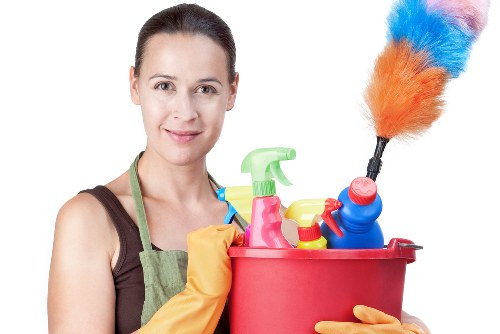
Regular cleaning refers to recurring cleaning tasks performed on a consistent schedule to maintain everyday cleanliness. It includes the common jobs that keep a space presentable and sanitary, such as dusting, vacuuming, wiping surfaces, sanitizing frequently touched areas, and taking out trash. Unlike deep cleaning, which targets built-up dirt and hidden problem areas, regular cleaning focuses on routine maintenance.
The purpose of regular cleaning is not just to make a space look tidy for a moment. It is to stop dirt from accumulating, preserve indoor air quality, and maintain a healthy environment over time. When done well, it creates a baseline of cleanliness that makes everything else easier. A consistent cleaning routine can also reduce stress because the space stays under control instead of feeling overwhelming.
Regular cleaning can be adapted to different settings. A family home may need daily kitchen wipes and weekly bathroom cleaning, while an office may require desk sanitation, floor care, and trash removal several times a week. The exact routine depends on the size of the property, how many people use it, and the type of activity happening inside it.
Why Regular Cleaning Is So Important
One of the biggest benefits of regular cleaning is improved health. Dust, pet dander, pollen, mold spores, and bacteria can accumulate quickly in indoor spaces. Over time, this buildup may trigger allergies, worsen breathing discomfort, and increase the spread of illness. Routine cleaning helps remove these contaminants before they become a bigger problem.
Another major advantage is appearance. A clean space sends a positive message to family members, employees, clients, or visitors. It shows care, professionalism, and attention to detail. Whether it is a home kitchen or a customer-facing lobby, regular cleaning keeps surfaces bright, floors presentable, and rooms more inviting.
There is also a financial benefit. Dirt and grime can damage materials such as wood, tile, carpet, upholstery, and appliances. Regular cleaning extends the life of these items by preventing stains, scratches, corrosion, and buildup. In that sense, regular cleaning is a smart form of preventative maintenance that protects your investment.
Health Benefits of Regular Cleaning
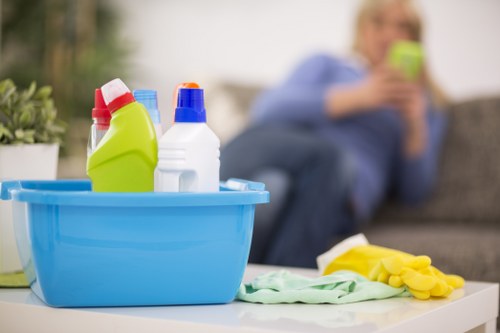
Health is one of the strongest reasons people commit to a cleaning routine. Homes and workplaces collect germs in places that are touched often, including doorknobs, handles, switches, counters, phones, and shared equipment. Regular cleaning with appropriate products lowers the risk of cross-contamination and supports a safer environment.
Indoor air quality also improves when dust and debris are managed consistently. Vacuuming carpets, cleaning vents, and removing clutter can reduce the amount of particles circulating in the air. This matters especially for children, older adults, and anyone with asthma or seasonal allergies. When indoor air feels cleaner, the entire room feels more comfortable.
Regular cleaning can also reduce pests. Food crumbs, spills, and garbage attract insects and rodents, especially in kitchens and storage spaces. By keeping surfaces sanitized and waste managed properly, you limit the conditions that pests need to thrive. That makes regular cleaning an essential part of both hygiene and property protection.
Common health-focused tasks
- Sanitizing high-touch surfaces
- Vacuuming and dusting regularly
- Cleaning bathrooms and kitchens frequently
- Washing reusable cloths and mop heads
- Emptying trash before it overflows
Regular Cleaning for Homes
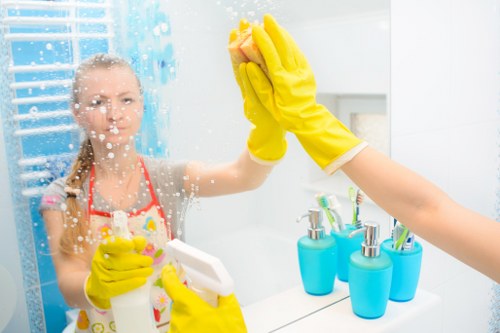
In a home, regular cleaning helps keep daily life smooth and manageable. Kitchens, bathrooms, living rooms, and bedrooms all accumulate mess in different ways. The key is to create a rhythm that matches the household’s routine rather than waiting until cleaning becomes a major project. A little effort every day often prevents much larger cleanup sessions later.
Kitchen cleaning is especially important because this area handles food preparation. Wiping counters, cleaning sinks, and dealing with spills quickly can reduce bacteria and prevent sticky buildup. In bathrooms, regular cleaning helps control moisture, soap scum, and residue that can become difficult to remove if ignored. Bedrooms and living areas benefit from dusting, vacuuming, and decluttering to maintain a calm and comfortable atmosphere.
Families often find that regular cleaning works best when responsibilities are shared. Small daily tasks, weekly duties, and monthly maintenance jobs can be assigned to different people. This approach keeps the work balanced and makes the home feel like a team effort rather than a burden placed on one person alone.
Simple home routine examples
- Daily: wipe counters, make beds, and tidy common areas
- Weekly: vacuum floors, clean bathrooms, and change linens
- Monthly: clean appliances, dust high surfaces, and organize storage areas
Regular Cleaning in Offices and Workplaces
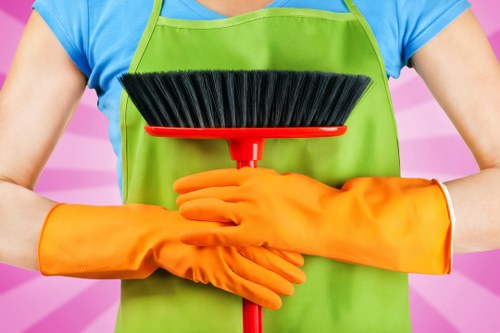
In workplaces, regular cleaning plays a central role in productivity and professionalism. Employees are more likely to feel focused and comfortable in a clean environment. Visitors and customers also notice when a business is well maintained. Clean desks, spotless restrooms, and tidy shared areas contribute to a stronger overall impression.
Office cleaning needs to account for high-use surfaces and shared equipment. Conference tables, break room counters, elevator buttons, door handles, and reception areas should be cleaned frequently. Floors and carpets also need consistent attention because foot traffic brings in dirt from outside. In a busy workplace, regular cleaning helps reduce sick days and supports a more pleasant work culture.
Businesses often benefit from a cleaning schedule that separates daily tasks from less frequent jobs. For example, trash removal, restroom sanitizing, and surface disinfection may happen every day, while carpet care, window cleaning, and deep floor maintenance can be performed on a set rotation. A structured system keeps everything on track without interrupting operations.
Workplace areas that need attention
- Reception desks and waiting areas
- Meeting rooms and shared technology
- Bathrooms and handwashing stations
- Kitchenettes and break rooms
- Entryways, floors, and high-traffic hallways
How Regular Cleaning Supports Long-Term Maintenance
Beyond day-to-day appearance, regular cleaning supports the long-term condition of a property. Dirt is abrasive, and over time it can wear down flooring, dull surfaces, stain fabrics, and reduce the efficiency of appliances. By cleaning consistently, you reduce that wear and preserve the quality of materials for longer.
For example, vacuuming carpets regularly helps fibers stay upright and prevents debris from grinding into the fabric. Wiping down counters and cabinetry prevents residue from hardening and becoming harder to remove later. Even simple actions like cleaning vents and filters can help systems run more efficiently. These small habits add up to meaningful protection.
This is why many property owners view regular cleaning as part of preventative care. It keeps minor issues from escalating and helps avoid expensive repairs or replacements. A well-maintained property is also easier to sell, rent, or present to clients because it signals reliability and attention.
Long-term benefits include
- Extended life of flooring, furniture, and fixtures
- Reduced repair and replacement costs
- Improved energy and system efficiency
- Better property appearance over time
- Lower likelihood of stubborn stains and permanent damage
Building an Effective Regular Cleaning Routine
The best cleaning routine is one that is realistic and repeatable. If a schedule is too complicated, it is less likely to stick. Start by identifying the areas that get dirty the fastest and the tasks that matter most. Then divide the work into daily, weekly, and monthly responsibilities. This makes the workload easier to handle and keeps the space consistently maintained.
It also helps to use the right tools and products for each surface. Microfiber cloths, mops, vacuum cleaners, disinfectants, and gentle cleaning solutions all have their place. Using the wrong product can damage finishes or waste time. A thoughtful system saves effort while improving results.
Consistency is the real secret behind successful regular cleaning. A short daily routine is usually more effective than a long session done only once in a while. Even 10 to 20 minutes of focused work can make a noticeable difference when it becomes part of the routine.
Steps to create a practical routine
- List the rooms or areas that need attention
- Identify the most frequent tasks
- Assign jobs by day, week, or month
- Keep supplies organized and easy to access
- Review and adjust the routine as needed
Regular Cleaning vs. Deep Cleaning
People often use the terms regular cleaning and deep cleaning interchangeably, but they are not the same. Regular cleaning focuses on routine tasks that keep a place neat and sanitary. Deep cleaning goes further by targeting built-up grime, behind-appliance areas, grout lines, vents, and other spots that are not addressed as often.
Both are important, and they work best together. Regular cleaning keeps the space manageable, while deep cleaning resets areas that need more intensive attention. Without regular cleaning, deep cleaning becomes harder and more time-consuming. Without deep cleaning, regular routines may not be enough to remove long-term buildup.
Regular cleaning should therefore be viewed as the foundation. It is the ongoing habit that keeps a property in shape and makes deeper maintenance easier to schedule. In most homes and businesses, this balance creates the best long-term results.
Quick comparison
- Regular cleaning: frequent upkeep, visible surfaces, everyday hygiene
- Deep cleaning: intensive cleaning, hidden buildup, detailed maintenance
Tips to Make Regular Cleaning Easier
Many people struggle with cleaning because they wait until the mess feels too big. Breaking tasks into smaller steps can make the process much easier. Instead of dedicating an entire day to cleaning, handle one area at a time. That way, the work feels lighter and more achievable.
Another helpful tip is to clean as you go. Wipe spills immediately, put items back after use, and spend a few minutes tidying at the end of each day. These small habits prevent clutter from building up and reduce the need for heavy cleaning later. A few minutes of attention can save hours in the future.
Storage also plays a big role. When supplies are organized and easy to reach, regular cleaning becomes simpler. Keep products where they are most useful, and make sure everyone in the household or workplace knows where basic items are stored. The easier it is to start, the more likely people are to follow through.
Helpful cleaning habits
- Use a timer to stay focused
- Keep supplies in each key area
- Clean high-traffic spots first
- Set reminders for recurring tasks
- Reward consistency with a cleaner, calmer environment
Choosing Professional Help for Regular Cleaning
Sometimes, a busy schedule or a large property makes it difficult to keep up with regular cleaning alone. In those cases, professional support can be a practical solution. A trained cleaning team can help maintain high standards, handle larger tasks efficiently, and keep routines consistent when time is limited.
Professional cleaning services are especially useful for offices, rental properties, commercial spaces, and households with demanding schedules. They can help with recurring cleaning tasks, special surfaces, and hard-to-reach areas. This kind of support allows owners and managers to stay focused on work, family, or operations without letting cleanliness slip.
If you have been struggling to keep up with regular cleaning, now is a good time to take action. Contact us today to discuss the support your space needs, or Book your service now to keep your property looking and feeling its best.
Conclusion: Why Regular Cleaning Should Never Be Ignored
Regular cleaning is one of the most effective ways to maintain a healthy, attractive, and functional environment. It supports hygiene, improves appearance, protects surfaces, and makes daily life easier. Whether you are caring for a home or maintaining a business, consistent cleaning creates lasting value.
The best part is that regular cleaning does not have to be complicated. With a realistic schedule, the right tools, and a steady routine, it becomes a manageable part of everyday life. Instead of reacting to messes after they grow, you stay ahead of them and enjoy a cleaner, more comfortable space all the time.
If you want better results, start small and stay consistent. Regular cleaning is not just about neatness; it is about creating a space that works better for everyone who uses it. Take the next step today and make cleanliness a lasting priority.