End of Tenancy Cleaning in Rental Properties: What Tenants and Landlords Need to Know
Understanding End of Tenancy Cleaning

End of tenancy cleaning is one of the most important steps in the moving process. Whether you are leaving a flat, house, or shared property, the condition you leave it in can directly affect your deposit return, your relationship with the landlord, and the speed of the move-out process. For tenants, end of tenancy cleaning is often the difference between a smooth handover and a stressful dispute. For landlords and letting agents, it is a key part of preparing a property for the next occupant.
In simple terms, end of tenancy cleaning means restoring the rental property to a clean, tidy, and presentable condition. This usually involves deep cleaning areas that are often overlooked in day-to-day housekeeping, such as skirting boards, kitchen appliances, bathroom tiles, inside cupboards, window tracks, and hard-to-reach corners. It is far more detailed than a standard weekly clean, and it is usually expected to match the condition described in the inventory or tenancy agreement.
Many tenants underestimate how much work is involved. A property may look acceptable at first glance, but landlords and inventory clerks often inspect behind doors, inside ovens, under sinks, and around fixtures. That is why end of tenancy cleaning should be planned early rather than left until the last day. When done properly, it can help protect your deposit and make the moving process far less stressful.
Why End of Tenancy Cleaning Matters

There are several reasons why end of tenancy cleaning matters so much. First, it helps satisfy the cleaning clauses in most tenancy agreements. Many contracts state that the property must be returned in the same condition it was let out, allowing for fair wear and tear. If the property is left dirty, a landlord may deduct cleaning costs from the deposit to restore it.
Second, a thoroughly cleaned property creates a positive impression during the final inspection. This matters because property managers often compare the condition of the property against the inventory report. If the property is left spotless, the inspection is more likely to go smoothly and without unnecessary disputes. A clean finish also supports a quicker turnaround for landlords preparing for new tenants.
Third, end of tenancy cleaning can reduce conflict. Deposit disagreements are one of the most common issues at the end of a lease. By investing time in proper cleaning, tenants can demonstrate responsibility and reduce the chances of a dispute over hygiene, stains, grease, limescale, or neglected rooms. Book your service now if you want professional support that saves time and reduces moving-day pressure.
What Is Usually Included in End of Tenancy Cleaning?

Although the exact checklist varies by property size and agency requirements, a professional end of tenancy cleaning service usually covers a wide range of tasks. The aim is to leave the property deep-cleaned from top to bottom. This can include:
- Cleaning all rooms, including bedrooms, living areas, hallways, and storage spaces
- Dusting and wiping skirting boards, doors, handles, and light switches
- Vacuuming carpets and rugs and mopping hard floors
- Cleaning inside and outside of cupboards, drawers, and wardrobes
- Removing grease and food residue from kitchen surfaces
- Deep cleaning ovens, hobs, extractors, and fridge interiors
- Scrubbing bathroom tiles, sinks, toilets, baths, and showers
- Cleaning windows, sills, tracks, and frames where accessible
- Wiping switches, sockets, and visible marks on walls
Professional cleaners often work through a room-by-room checklist to ensure nothing is missed. This is especially useful in furnished rentals where appliances, fixtures, and soft furnishings require extra attention. In many cases, end of tenancy cleaning also includes deodorising rooms so the property feels fresh for the next inspection or tenancy.
It is worth noting that cleaning expectations can be affected by the original condition report. For example, if a carpet was already stained or a fixture was damaged before move-in, tenants are typically not expected to pay for pre-existing issues. However, they are expected to leave the property free from avoidable dirt, food waste, dust, and grime.
How End of Tenancy Cleaning Differs from Regular Cleaning

Many people assume that regular cleaning and end of tenancy cleaning are similar, but the difference is significant. Regular cleaning keeps a home tidy and hygienic on an ongoing basis. It often includes vacuuming, wiping counters, cleaning bathrooms, and general dusting. End of tenancy cleaning, by contrast, is a deep and detailed process designed to restore the property to a near-showroom standard.
For example, a standard weekly clean may involve wiping the oven exterior, while end of tenancy cleaning usually requires removing baked-on grease from inside the oven, cleaning racks, trays, and door seals, and addressing any hidden residue. Likewise, a normal clean might include mopping the floor, but a move-out clean may require lifting furniture to reach dust and debris underneath if allowed and practical.
Another major difference is inspection readiness. End of tenancy cleaning is performed with a deposit return in mind, so attention to detail becomes much more important. Landlords and agents tend to inspect the smallest details, including limescale on taps, dust behind radiators, and marks on window ledges. That level of precision is what makes this service distinct and so valuable.
A Practical End of Tenancy Cleaning Checklist
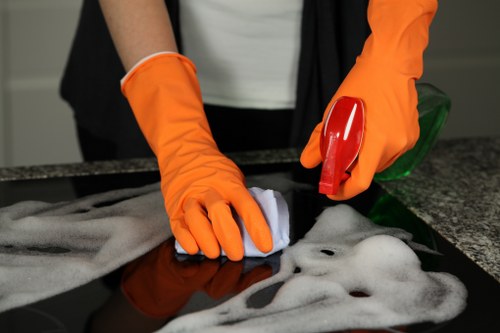
If you are planning to clean the property yourself, using a checklist can help you stay organised and make sure no area is forgotten. A structured end of tenancy cleaning checklist may include the following:
Kitchen
- Clean the oven, hob, extractor fan, and splashback
- Wipe all cupboards inside and out
- Defrost and clean the fridge and freezer
- Degrease worktops, tiles, and sink areas
- Empty and sanitise bins
Bathroom
- Remove limescale from taps, shower screens, and tiles
- Clean toilet bowls, seats, and bases
- Scrub sinks, baths, and shower trays
- Wipe mirrors, shelves, and cabinets
- Polish chrome fittings where applicable
Living Areas and Bedrooms
- Dust all surfaces, shelves, and skirting boards
- Vacuum carpets and clean hard flooring
- Remove cobwebs from corners and ceilings
- Wipe marks from doors and handles
- Clean wardrobes, drawers, and storage spaces
These tasks may seem straightforward, but they often take longer than expected. That is why many renters choose professional end of tenancy cleaning to save time and ensure a consistent finish. If you are cleaning yourself, start early and tackle one room at a time to avoid last-minute pressure.
When Should You Book End of Tenancy Cleaning?
The best time to arrange end of tenancy cleaning is usually after all furniture and personal belongings have been removed from the property. Cleaning an empty property is far more efficient because every surface becomes accessible. It also helps cleaners work methodically without moving items around repeatedly. If you are hiring a professional team, try to book them for the day before your final inspection or move-out handover.
Leaving the service until the very last minute can create avoidable stress. Many tenants underestimate the amount of time required for deep cleaning, especially in properties with multiple bathrooms, pets, children, or heavy use of appliances. If you are coordinating removals, key handover, and cleaning on the same day, things can become rushed very quickly. Planning ahead ensures the property is ready on time and reduces the risk of rushed work.
For landlords, it is also wise to schedule cleaning promptly once the previous tenancy ends. A quick turnaround helps keep the property market-ready and reduces vacancy time. A professional end of tenancy cleaning team can often complete the work faster and more thoroughly than an in-house approach, especially when the property needs deep attention before new viewings begin.
DIY vs Professional End of Tenancy Cleaning
One of the most common decisions tenants face is whether to clean the property themselves or hire professionals. Both options can work, but they have different advantages. A DIY approach may save money upfront, while a professional service offers convenience, expertise, and consistency. The right choice depends on your budget, available time, property condition, and cleaning confidence.
DIY end of tenancy cleaning can be effective if the property is relatively small, well maintained, and you have a detailed plan. However, it often requires strong cleaning products, equipment, and several hours or even days of effort. Deep-cleaning kitchens and bathrooms can be physically demanding, and some tasks, such as oven cleaning or limescale removal, may require specialist products.
Professional cleaners bring experience and efficiency. They know what landlords and letting agents typically expect, and they usually follow an extensive checklist. Many services also bring their own equipment and supplies, which reduces the burden on you. For those who are moving, this can be a major benefit because it frees up time for packing, removals, and paperwork. If your goal is to reduce stress, end of tenancy cleaning carried out by professionals can be a very practical solution.
Benefits of Hiring Professionals
- Time-saving and efficient
- Better results in hard-to-clean areas
- Useful for deposit protection
- Reduces moving-day stress
- Suitable for large or heavily used properties
How to Prepare for End of Tenancy Cleaning
Preparation is essential for effective end of tenancy cleaning. Before any deep-cleaning begins, the property should be cleared of belongings, rubbish, and unnecessary clutter. This makes it easier to access surfaces, corners, storage areas, and fixtures. If the property still contains items, the cleaning process becomes slower and less thorough.
You should also check your tenancy agreement and inventory report before starting. These documents may highlight specific expectations such as professional carpet cleaning, appliance cleaning, or garden tidying. Knowing these requirements in advance helps you avoid missing anything important. If the agreement mentions certain standards, such as returning the property in the same condition as at check-in, those details should guide your cleaning plan.
Finally, gather the right tools. A typical kit might include microfiber cloths, a vacuum cleaner, a mop, degreaser, limescale remover, disinfectant, sponges, scrubbing brushes, and gloves. If you are using a professional service, make sure the cleaner knows about any particular issues such as stains, pet hair, or delicate surfaces. Clear communication helps create a better result and a smoother final inspection.
Common Mistakes to Avoid
Even well-intentioned tenants sometimes make mistakes during end of tenancy cleaning. One of the biggest errors is underestimating the time needed. A property can appear clean after a quick tidy-up, but hidden dirt often remains in corners, cupboards, and behind appliances. Leaving these tasks until the last day increases the risk of missing key areas.
Another common mistake is forgetting the small details. Landlords and agents notice things like dusty light fittings, dirty extractor fans, and marks around door handles. These areas may seem minor, but they can influence the outcome of the inspection. Similarly, ignoring odours can be a problem. Even a visually clean property can feel neglected if it smells of cooking, pets, smoke, or damp.
A final mistake is using the wrong cleaning method. Harsh chemicals can damage surfaces, while too much water can harm wood, laminate, or electrical fittings. It is important to use suitable products for each material. If you are unsure, test a cleaner in a small hidden area first or hire a specialist who understands the right techniques. Attention to detail is what separates an average clean from a truly effective end of tenancy cleaning result.
End of Tenancy Cleaning for Landlords and Letting Agents
While tenants often focus on deposit returns, landlords and letting agents also benefit from a reliable end of tenancy cleaning process. A cleaned and well-presented property is easier to market and easier to let again quickly. It creates a strong first impression during viewings and shows potential tenants that the property is cared for.
For landlords, routine move-out cleaning can also protect the long-term condition of the property. Dirt, grease, and limescale can build up over time and become harder to remove if ignored between tenancies. By investing in deep cleaning after each tenancy, landlords reduce the likelihood of lasting damage and help maintain the property’s value. This is especially important for kitchens, bathrooms, flooring, and high-touch surfaces.
Letting agents often work with tight turnaround schedules, so having a dependable cleaning process is essential. A professional team can step in between tenancies, prepare the property for photography, and ensure it is ready for the next occupant. When a property is clean, bright, and fresh, it supports better marketing and can help reduce void periods. In short, end of tenancy cleaning is not just a tenant responsibility; it is also a smart investment for property owners.
How Much Time Does End of Tenancy Cleaning Take?
The time required for end of tenancy cleaning depends on the size and condition of the property. A small one-bedroom flat may take a few hours if it has been well maintained, while a large family home can take most of a day or longer. Properties with pets, heavy cooking use, carpets, or extensive storage areas may require extra effort.
Professional cleaners are usually faster because they work in teams and follow an organised process. They also bring the right tools and know how to tackle stubborn issues efficiently. If you are doing the job yourself, it is best to build in extra time rather than assuming you can finish in one short session. Rushing often leads to missed details, and missed details are exactly what can cause disputes during the final inspection.
As a rough rule, the more detailed the tenancy agreement, the more time you should allow. Deep cleaning ovens, bathrooms, and floors takes time, and drying surfaces properly also matters. If you want a polished result, start earlier than you think you need to. Contact us today if you need a time-saving solution that helps you move forward with confidence.
Final Thoughts on End of Tenancy Cleaning
End of tenancy cleaning is one of the most important parts of a rental move. It helps tenants protect their deposit, supports landlords in preparing the property for the next let, and reduces the risk of arguments over cleanliness. Whether you choose to do it yourself or hire professionals, the goal is the same: leave the property in a fresh, presentable, and carefully cleaned condition.
By understanding what is expected, following a checklist, and allowing enough time, you can make the whole process far easier. For many people, the value of professional support lies in peace of mind. A properly completed move-out clean is not just about appearance; it is about meeting contractual expectations and finishing a tenancy on the right note.
If you are moving soon and want the job handled with care, book your service now. A thorough end of tenancy cleaning approach can save time, reduce stress, and make the handover process much smoother for everyone involved.
Why a Professional Finish Makes a Difference
End of tenancy cleaning is often judged by the smallest details, which is why a polished finish matters so much. Sparkling surfaces, fresh-smelling rooms, and tidy fixtures help demonstrate that the property has been responsibly cared for. From a landlord’s point of view, it also helps the next tenancy begin on a positive note.
Quick Recap of the Most Important Points
- Start early and use a room-by-room checklist
- Focus on kitchens, bathrooms, and hidden dust zones
- Check your tenancy agreement for specific requirements
- Use the right products for each surface
- Consider professional help if time is limited
End of tenancy cleaning does not have to be overwhelming. With the right planning and attention to detail, it becomes a manageable final step that protects your deposit, improves property presentation, and supports a smoother move.