Sofa Cleaning in Your Home: A Practical, Professional Approach to Fresher Furniture
Keeping your living room fresh, healthy, and inviting starts with one essential task: sofa cleaning. Your sofa is one of the most used pieces of furniture in the home, which means it collects dust, crumbs, pet hair, body oils, allergens, and everyday spills faster than most people realize. Whether your upholstery is fabric, microfiber, velvet, leather, or a blended material, regular sofa cleaning helps preserve appearance, comfort, and hygiene.
Many homeowners wait until a stain becomes visible before thinking about upholstery care, but that approach often leads to deeper buildup and more difficult cleaning later. A better strategy is to understand how to care for your sofa consistently, safely, and effectively. With the right methods, sofa cleaning can extend the life of your furniture, improve indoor air quality, and make your home feel noticeably cleaner.
In this article, we will explore why sofa cleaning matters, how different materials respond to cleaning, which techniques work best, and when professional help is the smartest choice. If you want your furniture to look, smell, and feel better for longer, the information below will help you make informed decisions and keep your upholstery in top condition.
Why Sofa Cleaning Matters More Than Most People Think
Many people focus on vacuuming floors, wiping countertops, and washing bedding, but the sofa often gets overlooked. That is a mistake, because upholstery acts like a filter for the home. It traps dust, lint, pet dander, pollen, and tiny particles that circulate through your living space. Over time, these particles settle deep into the fibers, making sofa cleaning an important part of home maintenance.
A clean sofa does more than improve appearance. It can also help reduce odors, minimize allergens, and create a more comfortable place to relax. If you have children or pets, sofa cleaning becomes even more valuable because spills, sticky residues, and hair accumulation happen more often. Regular care helps prevent permanent stains and reduces the need for expensive replacement.
Fresh upholstery supports a healthier home environment. When dirt and debris build up, they can cause fabric wear and dullness. Professional and routine sofa cleaning both contribute to preserving the texture, color, and structure of the upholstery, which is especially important for high-quality furniture.
Understanding Different Sofa Materials
Before starting any sofa cleaning routine, it is essential to know what your sofa is made of. Different upholstery types require different methods, and using the wrong cleaner or too much moisture can damage the fabric. Most sofas have a care label that offers cleaning codes, usually indicating whether the material can be cleaned with water, solvents, or only professional methods.
Common upholstery materials
- Fabric upholstery: Durable and widely used, but prone to absorbing spills and odors.
- Microfiber: Soft and stain-resistant, though it can still trap oils and dirt.
- Leather: Stylish and long-lasting, but it needs gentle care to prevent cracking.
- Velvet: Elegant and luxurious, but sensitive to pressure, moisture, and harsh scrubbing.
- Synthetic blends: Often easier to maintain, but still require safe and regular cleaning.
Knowing the material is the first step toward safe and effective sofa cleaning. A cleaning product that works on microfiber may not be suitable for velvet or leather. When in doubt, test any cleaner on a hidden area first to avoid discoloration or damage.
Pay attention to seam edges, cushions, and areas that experience the most contact. These spots often show the first signs of buildup, which is why targeted sofa cleaning is so important for both appearance and hygiene.
How Often Should You Clean a Sofa?
The right sofa cleaning schedule depends on your household, lifestyle, and upholstery type. A family with pets, children, or frequent guests will need more regular maintenance than a single-person household with limited use. Still, every sofa benefits from a basic care routine.
As a general rule, vacuuming should happen weekly, while deeper sofa cleaning should be performed every few months. Spot cleaning should take place immediately after spills or accidents. If you notice lingering odors, dull patches, or visible grime, that is a sign your sofa needs attention sooner.
Here is a simple frequency breakdown:
- Weekly: Vacuum cushions, seams, and under cushions.
- Monthly: Rotate cushions and check for spots or wear.
- Every 3 to 6 months: Perform deeper sofa cleaning based on use.
- As needed: Address spills, pet accidents, and odors immediately.
Consistency matters more than intensity. Regular care prevents grime from settling deeply into fibers and makes each cleaning session easier and more effective.
Essential Tools and Products for Sofa Cleaning
Successful sofa cleaning does not require a huge collection of products, but it does require the right ones. Using the proper tools can help protect your upholstery while producing better results. A basic cleaning kit should include items that remove dry debris, lift stains, and refresh the fabric without causing damage.
Useful sofa cleaning supplies
- Vacuum with upholstery attachment
- Soft-bristle brush
- Microfiber cloths
- Gentle upholstery cleaner
- White vinegar solution for certain fabrics
- Baking soda for odor absorption
- Spray bottle
- Clean towels for blotting
Always check the care label before applying any product. Some fabrics tolerate water-based cleaning, while others need dry methods or professional treatment. A safe sofa cleaning routine begins with caution, not guesswork.
For homes with pets or children, consider keeping a small maintenance kit nearby. That way, you can handle accidents quickly and reduce the chance of lasting stains. Having the right tools on hand makes sofa cleaning faster, simpler, and less stressful.
Step-by-Step Sofa Cleaning at Home
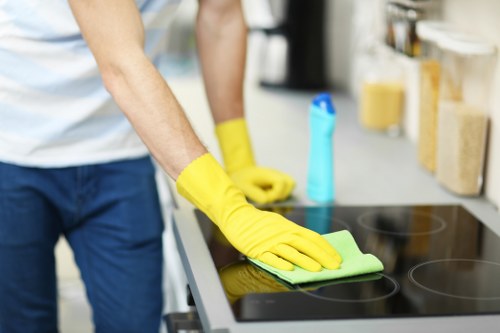
Basic sofa cleaning can often be done at home with care and patience. The goal is to remove loose debris, treat small stains, and freshen the upholstery without over-wetting or scrubbing too aggressively. Below is a practical process that works for many common fabrics.
1. Vacuum thoroughly
Start by vacuuming the entire sofa, including cushions, backrests, armrests, seams, and creases. This removes dust, crumbs, pet hair, and other loose debris before you apply any moisture. Vacuuming is one of the most important parts of sofa cleaning because it prevents dirt from spreading during the process.
2. Check the care label
Look for the manufacturer’s instructions. Codes such as W, S, WS, or X indicate whether the material can be cleaned with water, solvent-based products, or only vacuuming and professional care. This step helps avoid costly mistakes.
3. Spot test the cleaner
Apply a small amount of cleaner in a hidden area and wait for it to dry. This confirms whether the product changes the color, texture, or finish of the upholstery. Even gentle cleaners should be tested before full use.
4. Treat stains carefully
Blot spills instead of rubbing them. Rubbing can push the stain deeper into the fabric. Use a clean cloth and mild solution to lift the mark gradually. For most sofa cleaning tasks, patience works better than force.
5. Deodorize and dry properly
After cleaning, allow the sofa to dry fully in a well-ventilated area. You can also sprinkle baking soda over the cushions for odor control, then vacuum it away later. Proper drying is essential to prevent mildew and musty smells.
Tackling Common Sofa Stains the Right Way
Stains are one of the main reasons people seek sofa cleaning support. The most common accidents include coffee, tea, wine, grease, ink, food spills, and pet-related messes. Each stain type needs a slightly different response, but the same rule applies: act fast.
Fresh stains are much easier to remove than set-in stains. That is why prompt sofa cleaning matters. The longer a stain sits, the deeper it can penetrate into the fibers and padding.
Below are practical stain tips that can help in many households:
- Coffee or tea: Blot immediately and use a mild upholstery cleaner.
- Wine: Absorb as much liquid as possible, then treat carefully with a safe solution.
- Grease: Use baking soda or a fabric-safe degreasing product for certain fabrics.
- Food stains: Remove solids first, then blot and clean gently.
- Pet accidents: Clean quickly and neutralize odors with appropriate products.
For stubborn spots, repeated light treatment is better than one aggressive cleaning attempt. Avoid soaking the area, especially when doing sofa cleaning on thicker cushions or delicate fabrics. Excess moisture can lead to water marks, odor retention, or internal padding damage.
What not to do
Do not scrub hard, overuse bleach, or apply random household chemicals without checking compatibility. These mistakes can worsen stains or permanently damage upholstery. Responsible sofa cleaning always prioritizes the safety of the fabric.
Sofa Cleaning for Odor Removal and Freshness
Even when a sofa looks clean, it may still hold odors from food, pets, smoke, sweat, or general daily use. Odor control is a major part of sofa cleaning because smells often linger in fabric and foam long after the original source is gone.
Baking soda is a popular option for odor absorption. Lightly sprinkle it over the sofa, let it sit for a period of time, and vacuum it thoroughly. For some upholstery, fabric-safe deodorizing sprays or professional odor treatments may be more effective.
Ventilation also plays a major role. Open windows, use fans, and allow air circulation during and after sofa cleaning. A well-ventilated room helps the sofa dry faster and reduces the chances of trapped moisture causing a musty smell.
If odors keep returning, the issue may be deeper than the surface. In that case, deeper sofa cleaning or professional extraction may be needed to reach the padding and underlying fibers.
How Professional Sofa Cleaning Helps
While home care is valuable, there are times when professional sofa cleaning is the best choice. Professional technicians use specialized equipment and products designed to remove embedded dirt, allergens, and stains more effectively than standard home cleaning methods. This is especially useful for large households, delicate fabrics, or heavily used furniture.
Professional sofa cleaning often includes inspection, pre-treatment, deep extraction, drying support, and fabric-safe care. Because technicians understand different materials, they can choose the correct method based on the sofa’s condition and upholstery type. This reduces risk and often improves results.
Deep cleaning can refresh the look and feel of your furniture. It can also be beneficial before hosting guests, after a season of heavy use, or when a sofa begins to look tired and dull. If your furniture has older stains or persistent odors, professional sofa cleaning may restore it more effectively than repeated DIY efforts.
For many homeowners, the best approach is a combination of regular at-home care and periodic professional cleaning. This keeps the sofa looking better for longer and supports a cleaner indoor environment overall.
Why Regular Upholstery Care Protects Your Investment
A sofa is a major purchase, so it makes sense to maintain it properly. Routine sofa cleaning helps protect your investment by preventing premature wear and keeping the upholstery in better condition. Dirt particles act like tiny abrasives, slowly wearing down fibers each time someone sits down or moves a cushion.
In addition to protecting fabric, proper cleaning helps maintain color and shape. Spills that are left untreated can weaken fibers or leave permanent marks. Regular sofa cleaning reduces these risks and helps preserve the furniture’s original appeal. It also makes your home feel more polished and cared for.
Many homeowners notice that their sofa becomes more comfortable after a proper cleaning because dust, residue, and odors are removed. That improvement can make daily relaxation more enjoyable and give the living room a fresher atmosphere. Clean upholstery changes the whole feel of a space.
Smart maintenance habits
- Use throws or washable covers in high-traffic homes
- Vacuum before dirt builds up
- Address spills immediately
- Rotate cushions regularly
- Schedule deeper sofa cleaning when needed
Eco-Friendly Sofa Cleaning Options
Many people prefer environmentally friendly cleaning solutions for their homes, and sofa cleaning can absolutely support that preference. Mild, low-toxicity products are often effective for light maintenance and can reduce exposure to harsh chemicals. When used correctly, eco-friendly options can freshen upholstery while being safer for children, pets, and sensitive individuals.
Natural choices such as diluted vinegar, baking soda, and gentle soap may help with certain types of dirt and odor, but they are not universal solutions. The key is to use them appropriately and always check the fabric type first. Responsible sofa cleaning does not mean using the strongest product available; it means using the safest effective method.
Another eco-friendly approach is prevention. Regular vacuuming, quick spill response, and routine upkeep reduce the need for heavy chemical cleaning later. This not only protects your sofa but also supports a more sustainable home care routine.
Common Mistakes to Avoid During Sofa Cleaning
Even a well-intentioned cleaning effort can go wrong if the wrong methods are used. Some mistakes are minor, while others can cause lasting damage. Knowing what to avoid is just as important as knowing what to do.
- Using too much water: Over-wetting can damage padding and create odor problems.
- Skipping the care label: Every upholstery type has different cleaning needs.
- Scrubbing stains: This can spread the mark and damage fibers.
- Using harsh chemicals: Strong agents may discolor or weaken fabric.
- Not drying properly: Moisture left behind can lead to mildew.
Effective sofa cleaning is calm, careful, and methodical. The goal is to improve the furniture without creating new problems. If you feel unsure, it is better to pause and choose a safer method than to risk permanent damage.
How to Keep a Sofa Cleaner for Longer
Once your sofa is clean, the next goal is to keep it that way. Maintenance habits can dramatically reduce how often deep sofa cleaning is needed. Simple routines make a big difference over time.
Start by limiting food and drink on the sofa when possible. Encourage pet grooming, use washable covers in busy households, and vacuum regularly. These small steps reduce buildup and keep fabrics fresher between cleanings.
Prevention is the easiest form of sofa care. If your household tends to be busy, set a recurring cleaning reminder. A few minutes each week is usually enough to keep dirt from taking hold. The more consistent the upkeep, the easier sofa cleaning becomes later.
When you combine everyday habits with periodic deeper care, your sofa stays more comfortable, more attractive, and more durable. That is the real value of a solid upholstery maintenance routine.
When to Consider a Deep Clean or Expert Help
Some situations call for more than basic maintenance. If your sofa has widespread staining, lingering smells, visible discoloration, or a dull texture that does not improve with vacuuming and spot treatment, deeper sofa cleaning may be necessary. Furniture that has not been cleaned in a long time may also benefit from expert attention.
Professional cleaning is especially useful when the sofa has delicate fabric, when stains are unknown, or when moisture must be carefully controlled. A trained cleaner can assess the upholstery, apply the right method, and help protect the material from unnecessary wear. For expensive or sentimental furniture, that extra care can be worthwhile.
If you are looking to refresh your home and restore comfort, do not wait too long to take action. Book your service now if your sofa needs more than basic at-home care. A timely cleaning can make a noticeable difference in cleanliness, appearance, and comfort.
For homeowners who want a healthier, fresher living space, regular sofa cleaning is one of the simplest and most effective maintenance habits you can adopt. Contact us today to take the next step toward cleaner upholstery and a more inviting home.
In the end, sofa cleaning is about more than appearance. It supports hygiene, comfort, and the long-term value of your furniture. Whether you handle basic care at home or schedule deeper treatment when needed, consistent attention keeps your sofa looking and feeling its best. A cleaner sofa makes a cleaner living room, and a cleaner living room makes everyday life more enjoyable.