Rug Cleaning in Modern Homes: Practical Methods, Benefits, and Maintenance Tips
Why Rug Cleaning Matters for Every Home

Rugs do more than decorate a room. They soften footsteps, reduce noise, protect flooring, and help create a warm, inviting atmosphere. But because rugs sit in high-traffic areas, they also collect dust, crumbs, pet hair, allergens, stains, and odors over time. That is why rug cleaning is not just about appearance; it is also about hygiene, comfort, and preserving the life of your textile investment.
If you have ever noticed a dull patch on a favorite area rug or an unpleasant smell that seems to linger even after vacuuming, you already know how quickly buildup can happen. Regular rug cleaning helps restore color, texture, and freshness while preventing deeper damage. It also supports a healthier living space, especially in households with children, pets, or allergy sensitivities.
Many people assume that all rugs can be treated the same way, but that is rarely true. Wool, cotton, synthetic fibers, silk blends, and hand-knotted rugs each respond differently to moisture, agitation, and cleaning agents. Understanding the right approach to rug cleaning can prevent shrinkage, fading, fiber damage, and long drying times.
Understanding the Basics of Rug Cleaning

At its core, rug cleaning involves removing loose dirt, embedded soil, stains, and odor-causing particles without harming the material or dye. This process can range from routine vacuuming to deep extraction, spot treatment, and specialized care for delicate pieces. The best method depends on the rug’s construction, fiber content, age, and condition.
For many homeowners, the challenge is knowing when a rug needs a simple refresh and when it needs professional attention. As a rule of thumb, rugs in busy spaces like hallways, living rooms, and entryways need more frequent cleaning than decorative pieces in low-traffic areas. A well-timed cleaning schedule keeps soil from settling deep into the weave.
Rug care is often easier when you think of it as a layered process. First comes routine maintenance, then spot treatment, and finally periodic deep cleaning. Each layer supports the next, making it easier to maintain both appearance and performance. This is one reason consistent rug cleaning is more effective than waiting until a rug looks visibly dirty.
Common Types of Rugs and How They Affect Cleaning
Different rugs call for different strategies. A thick wool rug may tolerate a gentle shampoo method, while a fragile silk piece may require low-moisture or specialized hand washing. Synthetic rugs are often more forgiving and may be suitable for steam or hot water extraction, depending on construction and manufacturer instructions. Knowing the material is the first step in successful rug cleaning.
Here are some common rug types and their cleaning considerations:
- Wool rugs: Durable but sensitive to harsh chemicals and excessive heat.
- Cotton rugs: Often washable, but prone to shrinkage if handled improperly.
- Synthetic rugs: Usually stain-resistant and easier to clean, though not always colorfast.
- Silk rugs: Extremely delicate and best handled with specialized care.
- Natural fiber rugs: Such as jute or sisal, which can be damaged by excess moisture.
Rug construction matters too. Hand-knotted rugs, tufted rugs, flatweaves, shag rugs, and braided rugs all trap dirt differently. A shag rug, for example, may hide debris deep within long fibers, while a flatweave may show stains more visibly. Tailoring rug cleaning methods to the weave helps avoid unnecessary wear.
Benefits of Regular Rug Cleaning
Routine rug cleaning provides benefits that go far beyond a fresh look. Clean rugs contribute to cleaner indoor air, better odor control, and a more comfortable home environment. Dust, pet dander, pollen, and other particles often settle into the fibers, where they can circulate each time someone walks across the rug. Removing this buildup can make a noticeable difference in indoor comfort.
Another major benefit is longevity. Dirt particles act like tiny abrasives, gradually wearing down fibers every time the rug is stepped on. Over time, this causes thinning, dullness, and premature aging. Regular cleaning reduces this friction and helps your rug maintain its original feel and appearance for years longer.
There is also the visual impact. A freshly cleaned rug can brighten a room, restore color depth, and improve the overall look of your interior design. Whether your rug is a statement piece or a subtle foundation for the room, professional rug cleaning or careful home care can make the entire space feel more polished.
DIY Rug Cleaning: What Homeowners Can Do Safely
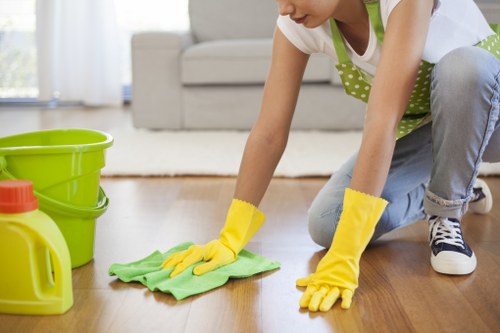
Many routine rug care tasks can be handled at home with the right tools and a cautious approach. Vacuuming is the most important first step, since it removes loose soil before it has a chance to settle. For best results, vacuum both sides if the rug is small and manageable. This helps lift dust trapped in the backing and foundation.
Spot cleaning is another useful skill. The key is to act quickly and blot, not rub. Rubbing can spread the stain and damage fibers. Use a clean white cloth, mild cleaning solution, and minimal moisture. Always test a small hidden section first to check for color bleeding or texture changes. This simple habit can prevent costly mistakes during rug cleaning.
When dealing with minor odors, sprinkling a small amount of baking soda and vacuuming it after a short dwell time may help. However, this is only a temporary freshening method and not a substitute for deep rug cleaning. Excessive powders can also become embedded in the pile, so moderation is important.
Step-by-Step Home Rug Cleaning Process
For rugs that are safe for basic home cleaning, a structured approach helps deliver better results. Below is a practical process that many homeowners can follow for routine maintenance or light cleaning.
- Check the care label: Look for fiber type, cleaning warnings, and manufacturer recommendations.
- Vacuum thoroughly: Remove loose dirt, hair, and debris from both sides if possible.
- Test cleaning products: Apply any solution to a hidden corner first.
- Address stains immediately: Blot gently with a clean cloth and a suitable cleaner.
- Clean in sections: Avoid saturating the entire rug at once.
- Rinse if needed: Remove leftover cleaner so residue does not attract more dirt.
- Dry fully: Air-dry the rug flat or hang it in a well-ventilated area.
This process works best when handled patiently. Fast drying is especially important because trapped moisture can lead to odor, mildew, or fiber distortion. Whether you are tackling a small decorative piece or a larger area rug, careful handling makes a noticeable difference in the quality of rug cleaning.
For thicker rugs, use fans or open windows to encourage airflow. If the rug has a heavy backing, consider lifting it periodically to ensure the underside dries evenly. Never place a damp rug back on a wood floor without confirming that both surfaces are dry.
When Professional Rug Cleaning Is the Better Choice
Some rugs are simply too delicate, too valuable, or too heavily soiled for DIY methods. In those situations, professional rug cleaning offers a safer and more effective solution. Experts can identify fiber types, dye stability, construction methods, and hidden issues that may not be obvious to the average homeowner.
Professional care is especially useful when a rug has:
- Deep-set stains or pet accidents
- Water damage or mold risk
- Fading, bleeding, or dye migration concerns
- High value, antique status, or sentimental significance
- Delicate materials like silk or hand-knotted wool
Trained technicians may use specialized dust removal, immersion washing, controlled drying, and finishing techniques to restore the rug while protecting the weave. In many cases, expert rug cleaning can extend the life of the piece far beyond what home methods can achieve.
Signs a Rug Needs Professional Attention
It is not always easy to tell when a rug needs more than routine care. Some signs are obvious, while others are subtle. If a rug still looks dull after vacuuming, smells musty, or feels stiff and sticky, it may be carrying more embedded soil than expected. Visible discoloration around edges or traffic lanes can also indicate the need for deeper treatment.
Professional rug cleaning is also worth considering after major spills, pet incidents, or long periods of neglect. If a rug is an heirloom or a custom purchase, specialized rug cleaning may help preserve both value and appearance.
How Often Should Rugs Be Cleaned?
The ideal cleaning frequency depends on use, location, and household conditions. High-traffic rugs often need vacuuming several times per week and deep cleaning every 6 to 12 months. Rugs in low-traffic areas may need less frequent attention. Homes with pets, children, or allergy concerns usually benefit from more regular care.
A simple schedule can help:
- Weekly: Vacuum and check for new stains.
- Monthly: Inspect for edge wear, odor, and hidden dirt buildup.
- Every 6–12 months: Perform deep rug cleaning or schedule professional service.
- As needed: Tackle spills and accidents immediately.
Consistency is the real secret. A small amount of routine maintenance is often enough to prevent the need for more aggressive treatment later.
Rug Cleaning Mistakes to Avoid
Even well-intentioned cleaning efforts can cause problems if the wrong method is used. One of the biggest mistakes is using too much water. Excess moisture can seep into the backing and padding, leading to odor or damage. Another common issue is applying harsh stain removers without testing them first. Strong chemicals may strip color or weaken fibers.
Other mistakes include:
- Scrubbing stains aggressively
- Using hot water on delicate rugs
- Skipping the drying stage
- Ignoring the rug label or fiber type
- Using too much detergent, which leaves residue
Effective rug cleaning is gentle, deliberate, and suited to the rug’s unique needs. When in doubt, less force and less moisture are usually safer than overdoing it.
Seasonal Rug Care and Maintenance Tips
Rug care changes with the seasons. In rainy months, rugs may collect more mud and moisture at entryways. In dry months, dust and pet hair can become more noticeable. Adapting your cleaning habits to the season helps keep rugs looking better throughout the year.
Here are a few seasonal strategies:
- Spring: Focus on dust removal and allergy reduction.
- Summer: Watch for tracked-in dirt, sand, and spills from higher foot traffic.
- Autumn: Prepare for wet shoes and leaf debris near doors.
- Winter: Deal with salt, slush, and dampness before they settle in the fibers.
Rotating rugs occasionally can also help distribute wear more evenly. This is especially useful in rooms where furniture placement or foot traffic creates uneven fading. Small preventative steps like these support smarter rug cleaning habits over time.
How to Protect Rugs Between Cleanings
Prevention is just as important as cleaning. Using rug pads, removing shoes indoors, and addressing spills right away can greatly reduce buildup. A rug pad also improves airflow underneath the rug, which helps with drying and can reduce slipping. In addition, regular grooming of pet hair and crumbs prevents debris from embedding into the pile.
If you live in a busy household, consider placing washable mats at entrances and kitchen runners in spill-prone areas. These small additions can reduce the burden on your rugs and make ongoing rug cleaning much easier.
Helpful Daily Habits
Daily habits often determine how often a rug needs deep attention. A few minutes of preventive care can save hours later. Try these simple practices:
- Shake out smaller rugs outdoors when appropriate
- Vacuum high-traffic paths more frequently
- Clean spills immediately
- Keep food and drinks away from delicate rugs
- Use door mats to reduce outdoor dirt
Choosing the Right Products
Not all cleaners are suitable for all rugs. Mild, fiber-safe products are usually the best starting point. Avoid bleach, overly alkaline cleaners, or anything not intended for textiles. For specialty rugs, professional-grade products or expert service may be the safer choice. Using the correct solution is one of the simplest ways to improve rug cleaning results while protecting your investment.
The Role of Rug Cleaning in a Healthier Home
Clean rugs contribute to a healthier indoor environment by reducing the amount of dirt and allergens circulating in the air. This can be especially meaningful for households with asthma, allergies, or young children who spend time playing on the floor. While no rug can be perfectly germ-free, regular maintenance helps limit buildup and improve overall freshness.
In addition, a clean rug can positively influence how a room feels emotionally. Fresh, well-maintained textiles often make a space feel calmer, brighter, and more inviting. That is one reason homeowners increasingly treat rug cleaning as a standard part of home maintenance rather than a rare task.
Whether your goal is improved air quality, better aesthetics, or protecting a meaningful investment, rug cleaning delivers practical value. It is a small routine with a big impact.
Final Thoughts on Rug Cleaning
Rugs add warmth, style, and comfort to any interior, but they also require attention to stay beautiful and functional. From regular vacuuming to stain removal and deep cleaning, every step plays a role in protecting the fibers and keeping the rug fresh. Choosing the right cleaning method for the right material is the foundation of long-lasting rug care.
If your rug is showing signs of wear, odor, or deep buildup, now is the right time to take action. A thoughtful cleaning plan can revive color, improve indoor comfort, and extend the life of the piece you enjoy every day. For delicate or valuable rugs, specialized service may be the smartest choice.
Rug cleaning is not just a chore; it is a practical investment in your home’s appearance and cleanliness. Book your service now or take the first step with a careful inspection and routine maintenance plan. If you want your rugs to look better, last longer, and support a healthier living space, contact us today and make rug care a priority.