Deep Cleaning in Modern Homes: A Practical, Room-by-Room Approach for Healthier Living
Deep cleaning is more than a quick tidy-up. It is a thorough, detail-focused process that reaches the places routine cleaning often misses. For homeowners, renters, families, and business owners alike, deep cleaning can improve comfort, support healthier indoor air, and make every room feel refreshed. Whether you are preparing for a special event, moving in, moving out, or simply resetting your space, deep cleaning can transform the way a property looks and feels.
Unlike standard cleaning, deep cleaning targets grime, dust buildup, hidden debris, and high-touch areas that collect bacteria over time. It is especially useful in kitchens, bathrooms, bedrooms, and shared spaces where daily activity creates more buildup than most people realize. A deep cleaning service can also help reduce allergens, remove stubborn stains, and restore shine to surfaces that have lost their luster.
In this article, we will explore what deep cleaning includes, why it matters, how it differs from regular cleaning, and which tasks should be prioritized in each room. You will also find practical tips, scheduling advice, and smart ways to maintain results after the work is done. If you are looking for a cleaner, healthier home, deep cleaning in your routine can make a noticeable difference.
What Deep Cleaning Really Means

Deep cleaning goes beyond surface dusting and light vacuuming. It is a more intensive process designed to remove built-up dirt from hidden, hard-to-reach, and heavily used areas. This means moving furniture, cleaning behind appliances, sanitizing fixtures, scrubbing grout, and treating spots that usually stay overlooked during weekly chores. The goal is not just to make a home look neat, but to make it truly clean.
Many people assume that a regular cleaning routine is enough, but even a well-kept home accumulates buildup over time. Kitchen grease settles on cabinets, soap scum collects in showers, and dust can gather on baseboards, vents, and window tracks. A deep cleaning process addresses these issues systematically, helping restore freshness throughout the property.
This type of service is ideal for seasonal refreshes, post-renovation cleanup, allergy management, and pre- or post-occupancy situations. It is also a smart choice if you want to reset your home after illness, pet shedding, or a busy period that made routine housekeeping difficult. In short, deep cleaning in any setting is about creating a healthier and more polished environment.
Why Deep Cleaning Matters for Health and Comfort
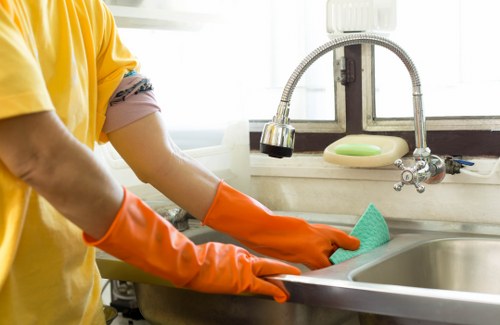
One of the biggest benefits of deep cleaning is improved indoor hygiene. Dust, pet dander, mold spores, and pollen can collect in carpets, upholstery, and vents. Over time, these particles may affect comfort, especially for people with allergies, asthma, or other sensitivities. Thorough cleaning helps reduce these irritants and supports a better living environment.
Deep cleaning also helps prevent the spread of germs in high-touch areas. Door handles, switches, faucets, remote controls, and cabinet pulls are touched constantly throughout the day. When these surfaces are sanitized properly, the home feels fresher and more controlled. That is one reason many households schedule deep cleaning before seasonal changes or after cold and flu season.
There is also a mental and emotional benefit. A clean home can feel calmer, more organized, and easier to enjoy. When clutter and dirt are removed from neglected spaces, the entire property feels lighter. Deep cleaning in this sense is not only a practical task; it is also a way to improve your daily comfort and peace of mind.
Common reasons people schedule deep cleaning
- Seasonal home refreshes
- Move-in or move-out cleaning
- Post-renovation cleanup
- Allergy and dust control
- Preparing for guests or events
- Resetting after illness or heavy use
Deep Cleaning vs. Regular Cleaning
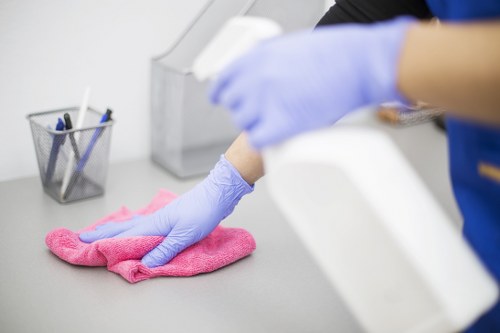
Regular cleaning focuses on maintenance. It includes tasks such as wiping counters, sweeping floors, washing dishes, and clearing visible dust. This kind of upkeep is important, but it does not usually address the deeper layers of dirt that build up over weeks or months. Deep cleaning, by contrast, reaches into the details.
For example, a standard kitchen cleaning may include wiping the stovetop and mopping the floor. A deep cleaning service in the kitchen would go further by cleaning inside the oven, degreasing cabinet fronts, scrubbing the sink drain, washing backsplash grout, and removing dust from under appliances. The same principle applies to bathrooms, bedrooms, and living areas.
The best way to think about the difference is this: regular cleaning keeps a space presentable, while deep cleaning restores it. Both are valuable, but they serve different purposes. If your home has not been detailed in a while, or if specific areas are showing visible buildup, a deep clean can make a dramatic impact.
Key differences at a glance
- Regular cleaning: routine maintenance and surface-level tidying
- Deep cleaning: intensive cleaning of neglected and hard-to-reach areas
- Regular cleaning: usually done weekly or biweekly
- Deep cleaning: usually done seasonally, monthly, or as needed
- Regular cleaning: visible surfaces
- Deep cleaning: hidden buildup, fixtures, corners, and detailed surfaces
Room-by-Room Deep Cleaning Priorities

A successful deep cleaning plan starts with a room-by-room approach. Each space in the home has different needs, so it helps to identify the most important tasks for each area. Focusing on specific zones also makes the process easier to manage and more effective overall.
In the kitchen, priorities often include degreasing surfaces, cleaning appliances, sanitizing countertops, wiping cabinet exteriors, and removing crumbs from drawers and corners. In bathrooms, the focus usually shifts to disinfecting sinks, polishing fixtures, scrubbing tile, cleaning grout, and removing buildup from shower doors and drains. Bedrooms and living rooms require dusting, vacuuming upholstered surfaces, cleaning baseboards, and refreshing fabrics.
When deep cleaning in a home, it is helpful to work from top to bottom. Start with ceiling fans, shelves, and light fixtures, then move to furniture, counters, and finally floors. This prevents dust and debris from falling onto already cleaned areas. A structured process saves time and delivers better results.
Kitchen deep cleaning tasks
- Clean inside and outside of appliances
- Degrease stovetops, range hoods, and backsplashes
- Wash cabinet doors and handles
- Sanitize countertops and sinks
- Clean under and behind appliances
- Empty and wipe pantry shelves
Bathroom deep cleaning tasks
- Scrub tubs, showers, and tile grout
- Disinfect toilets, sinks, and faucets
- Clean mirrors and glass surfaces
- Remove soap scum and mineral buildup
- Wash vent covers and baseboards
- Sanitize door knobs and light switches
Tools and Supplies That Make Deep Cleaning Easier

The right tools can make deep cleaning faster, safer, and more effective. You do not need an endless supply of products, but you do need items that can handle different surfaces and levels of grime. Microfiber cloths, scrub brushes, vacuum attachments, disinfectants, and non-abrasive sponges are commonly used in professional and home cleaning routines.
It is also smart to choose products based on the material you are cleaning. Wood, tile, stainless steel, glass, and fabric each require a different approach. Using the wrong product can damage finishes or leave streaks and residue behind. A careful deep cleaning routine uses the right cleaner for the right job, which helps protect your home while improving results.
For people who prefer a more natural approach, options like vinegar, baking soda, and mild soap can help with many tasks. However, it is important to test any cleaner first and avoid mixing chemicals that should not be combined. Safety matters just as much as shine when planning deep cleaning in your home.
Helpful deep cleaning supplies
- Microfiber cloths
- Scrub brushes of different sizes
- Vacuum with attachments
- Mop and bucket
- Glass cleaner
- Disinfectant or sanitizing spray
- Baking soda and white vinegar
- Non-scratch sponges
How Often Should You Deep Clean?
The ideal schedule depends on your lifestyle, household size, pets, and overall traffic in the home. Some people benefit from a seasonal deep clean every three to four months, while others may need it monthly in high-use areas such as kitchens and bathrooms. Homes with children, pets, or frequent visitors often collect dirt faster and may require more frequent attention.
It can also help to create a hybrid plan. For example, you might keep a weekly cleaning routine for visible surfaces and set aside one weekend each month for detailed tasks. This approach makes deep cleaning more manageable and prevents buildup from becoming overwhelming. When chores are spread out intelligently, the process feels less stressful and more sustainable.
Professional cleaners often recommend a schedule based on the condition of the property rather than a fixed calendar alone. If certain rooms are consistently dusty or greasy, or if the home has recently undergone construction, deep cleaning should happen sooner. The key is to stay flexible while maintaining consistency.
Signs it is time for a deep clean
- Visible dust on baseboards, vents, or ceiling fans
- Grease or residue on kitchen surfaces
- Soap scum or mildew in bathrooms
- Persistent odors in carpets or upholstery
- Clutter and grime in hidden spaces
- Allergy symptoms increasing indoors
Benefits of Hiring a Professional Deep Cleaning Service
While many homeowners prefer to handle some cleaning tasks themselves, a professional deep cleaning service can save time and deliver a more detailed finish. Trained cleaners know how to work efficiently, use appropriate products, and tackle the areas that are most often overlooked. This is especially valuable for larger homes, busy families, or anyone who wants a high standard of cleanliness without spending an entire weekend scrubbing.
Professionals also bring consistency. A structured team can clean more thoroughly because they follow a proven process and have the tools needed for detailed work. They may move furniture, clean behind large appliances, and address hard-to-reach spaces that many people never get to on their own. For property owners preparing for guests, inspections, or a move, this level of detail can be especially useful.
Another advantage is peace of mind. Knowing that hidden grime, dust, and buildup have been handled properly allows you to enjoy your home more fully. If you have been postponing a reset because of time constraints, now may be the right moment to book your service now and enjoy the results of professional-level care.
What to expect from a quality deep cleaning service
- Detailed cleaning plan based on the condition of the property
- Attention to corners, edges, and hard-to-reach places
- Disinfection of high-touch surfaces
- Thorough bathroom and kitchen cleaning
- Floor care, dust removal, and surface polishing
- Optional add-ons for appliances, upholstery, or special materials
Deep Cleaning Tips for Better Results
Whether you are cleaning on your own or hiring help, a few smart habits can improve the final result. Preparation is one of the most important steps. Clear clutter before you start, gather all supplies in advance, and create a checklist so you do not miss hidden areas. This keeps the process organized and efficient.
Another useful tip is to work in sections. Trying to deep clean an entire home at once can feel overwhelming. Instead, focus on one room or one category at a time. For example, you might dust the whole house first, then vacuum, then sanitize kitchens and bathrooms. This method helps you stay focused and makes progress easier to track.
Finally, do not forget maintenance after the big clean. Once your home has been refreshed, simple weekly habits can help preserve the results. Wiping spills quickly, vacuuming high-traffic areas, and dusting regularly will reduce the need for frequent heavy scrubbing. A consistent routine makes deep cleaning in the future much easier.
Smart strategies to keep results longer
- Use entry mats to reduce tracked-in dirt
- Wash bedding and linens regularly
- Wipe kitchen surfaces after cooking
- Run bathroom ventilation to reduce moisture buildup
- Vacuum carpets and upholstery weekly
- Declutter rooms to make cleaning faster
Deep Cleaning for Special Situations
There are times when deep cleaning becomes especially important. Moving into a new home is one of them. Even if a property looks clean, previous occupants may have left behind dust, germs, or residue in cabinets, closets, and appliances. A full deep clean creates a fresh start and makes the space feel truly yours.
Move-out situations also call for thorough cleaning. Removing dust, marks, and buildup can help a property present well and may support a smoother handoff. Renovation projects are another common reason. Construction dust can spread into nearby rooms and settle on surfaces long after the work ends. In those cases, deep cleaning helps restore the home to a livable condition.
Families with pets or young children may also need more frequent attention because of spills, shedding, fingerprints, and everyday messes. Likewise, households that host often can benefit from periodic deep cleaning to keep common spaces fresh and welcoming. The more active the home, the more important detailed cleaning becomes.
Situations that benefit most from deep cleaning
- Before moving into a new property
- After moving out of a home or apartment
- After remodeling or construction
- Before holidays or special gatherings
- After illness or extended absence
- During seasonal transitions
Why SEO-Focused Deep Cleaning Content Matters for Service Providers
For cleaning companies, creating content around deep cleaning is a smart way to connect with local customers who are actively searching for solutions. People often look online for help with apartment turnover, house cleaning, kitchen sanitation, and seasonal refreshes. Clear, useful, and location-aware content can help a business show up in those searches while also building trust with readers.
Strong SEO content should naturally include phrases like deep cleaning service, professional deep cleaning, deep cleaning checklist, and residential deep cleaning. It should also answer common questions and explain the value of the service in plain language. Search engines reward content that is helpful, relevant, and easy to understand.
At the same time, the content should feel human. Readers want practical advice, not keyword stuffing. The best approach is to explain the benefits, outline the process, and offer clear next steps. When done well, deep cleaning content can rank well while still being genuinely useful to potential customers.
Final Thoughts on Deep Cleaning
Deep cleaning is one of the most effective ways to refresh a home, improve hygiene, and create a more comfortable living space. It reaches beyond routine maintenance to address hidden dirt, stubborn residue, and high-use areas that need more attention. From kitchens and bathrooms to bedrooms and shared spaces, every room benefits from a thoughtful and detailed approach.
Whether you choose to tackle the work yourself or hire a professional team, the results are worth it. The home feels brighter, cleaner, and more enjoyable to live in. With the right schedule, tools, and strategy, deep cleaning becomes easier to manage and more impactful over time. If your space is ready for a fresh reset, contact us today or book your service now and experience the difference a detailed clean can make.