Communal Area Cleaning for Safer, Healthier, and More Welcoming Shared Spaces
Communal area cleaning plays a vital role in keeping shared environments fresh, safe, and comfortable for everyone who uses them. Whether it is an apartment block, office building, school, retirement community, or mixed-use property, the condition of communal spaces shapes first impressions and daily experiences. Clean hallways, polished lobbies, sanitized touchpoints, and well-maintained shared facilities help create a positive atmosphere that people notice immediately.
In busy properties, communal area cleaning is not just about appearance. It is also about hygiene, safety, and long-term upkeep. High-traffic areas collect dust, dirt, spills, fingerprints, and germs quickly, so consistent cleaning is essential. When shared areas are neglected, they can become unpleasant, unhygienic, and even hazardous. On the other hand, a structured cleaning routine supports property value, occupant satisfaction, and better overall wellbeing.
From stairwells and lifts to reception areas and shared kitchens, every communal space has specific needs. A professional approach to communal area cleaning ensures each area is addressed correctly, using the right methods, tools, and schedules. This article explores the importance, benefits, cleaning methods, and practical standards that make shared spaces cleaner and more appealing.
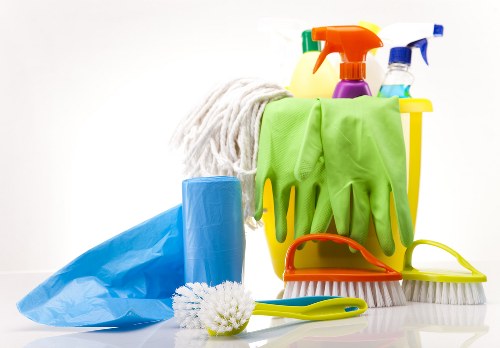 Why Communal Area Cleaning Matters
Communal area cleaning is essential because shared spaces experience more traffic than private rooms. The more people pass through a space, the faster dirt and bacteria accumulate. Entrance mats trap debris, lift buttons are touched repeatedly, and stair rails are used all day. Without regular cleaning, these spaces can quickly become grimy and uninviting.
For property managers and business owners, investing in communal area cleaning is also a smart operational decision. Clean shared areas reduce complaints, improve tenant satisfaction, and support compliance with hygiene expectations. A well-kept environment can also help reduce wear and tear on floors, surfaces, and fixtures, potentially lowering maintenance costs over time.
For residents, employees, visitors, and customers, shared spaces often shape the overall perception of a building. A spotless lobby or tidy corridor sends a strong message that the property is cared for. In contrast, dirty floors, overflowing bins, or smudged glass can make the entire building feel neglected. First impressions matter, and communal area cleaning helps ensure they are positive ones.
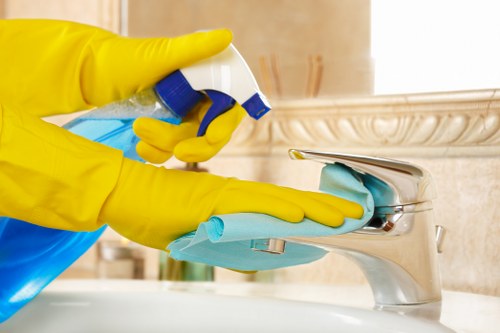 Key Areas Included in Communal Area Cleaning
Communal area cleaning covers many shared locations within a building or estate. The exact scope may vary, but the most common areas include:
- Entrances and lobbies – doors, mats, glass panels, reception desks, and floors
- Hallways and corridors – skirting boards, walls, floors, and light switches
- Staircases – steps, handrails, corners, and landings
- Lifts and elevators – buttons, mirrors, doors, and interior surfaces
- Shared kitchens or break rooms – sinks, countertops, appliances, and tables
- Communal toilets and washrooms – toilets, basins, mirrors, dispensers, and bins
- External shared spaces – entrances, walkways, bin stores, and parking-adjacent zones
Each of these areas requires a slightly different cleaning routine. For example, lift interiors need frequent disinfection because of repeated contact, while staircases often require dust removal, vacuuming, and spot cleaning. Communal area cleaning is most effective when every zone is assessed according to its usage level and hygiene risk.
High-touch areas deserve special attention because they spread germs more easily. Items such as door handles, push plates, banisters, and elevator controls should be cleaned and disinfected regularly as part of a standard schedule. This reduces the chance of contamination and helps keep shared environments more sanitary.
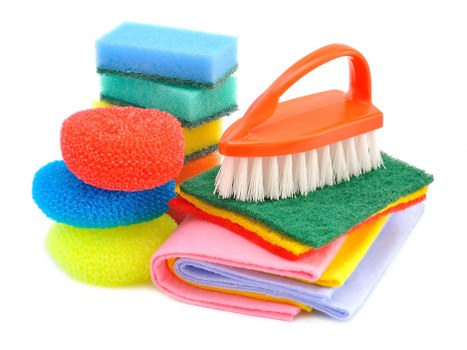 Benefits of Regular Communal Area Cleaning
Regular communal area cleaning offers benefits that go far beyond visual appeal. It helps maintain a healthy environment, supports property care, and improves the daily experience of everyone who uses the space. Below are some of the most important advantages.
1. Better hygiene
Shared spaces can become breeding grounds for dirt and germs if left untreated. Routine cleaning removes bacteria, dust, allergens, and debris before they build up. This is especially important in buildings where many people pass through each day. Good hygiene practices in communal area cleaning help protect occupants and visitors alike.
2. Improved safety
Spills, loose debris, and clutter can create slip and trip hazards. Regular cleaning helps reduce the risk of accidents by keeping floors clear, dry, and tidy. Well-maintained communal areas also make it easier to identify issues such as broken tiles, damaged lighting, or blocked exits.
3. Stronger property image
When communal spaces look clean and orderly, the whole property feels more professional and cared for. This is particularly important for apartment complexes, office buildings, hospitality settings, and managed estates. A clean environment communicates responsibility and attention to detail.
4. Longer-lasting surfaces
Dirt, grit, and moisture can wear down flooring, fixtures, and finishes over time. With consistent communal area cleaning, surfaces remain in better condition for longer. That means fewer repairs, less frequent replacement, and improved long-term value.
5. Better resident and tenant satisfaction
People are more comfortable in spaces that are neat, hygienic, and well cared for. Whether they are walking through a corridor or using a shared restroom, clean communal areas contribute to a more pleasant daily routine. Occupants notice the difference, even when they do not mention it directly.
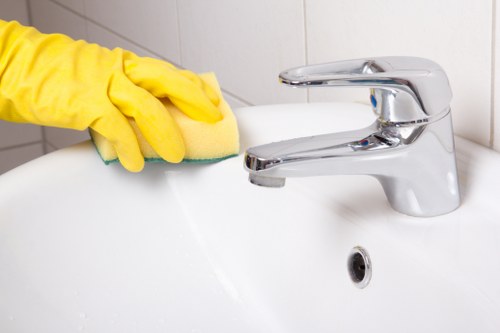 How Professional Communal Area Cleaning Works
Professional communal area cleaning usually follows a structured process to make sure no area is overlooked. This process can be adapted depending on the size of the building, foot traffic levels, and specific hygiene requirements.
Initial assessment
The first step is to inspect the communal areas and identify priorities. A cleaning plan should consider floor type, surface materials, problem zones, and the frequency of use. This helps determine how often tasks should be done and which products are most suitable.
Scheduled maintenance
Most shared spaces need a routine schedule that includes daily, weekly, and monthly tasks. High-traffic areas may require daily sweeping, mopping, and touchpoint disinfection. Less frequently used spaces can be cleaned on a different cycle, but they should never be ignored. A well-planned rota keeps communal area cleaning consistent and efficient.
Use of the correct products
Different materials require different cleaning methods. Glass, stainless steel, vinyl, carpet, tile, and painted surfaces all respond best to specific products and techniques. Using the wrong cleaner can leave residue, damage finishes, or reduce effectiveness. Professional cleaners understand how to match products to the surface while maintaining a high standard of cleanliness.
Attention to detail
Small details make a big difference. Cleaning behind doors, along skirting boards, around lift buttons, and beneath furniture ensures the space is truly clean rather than just visibly tidy. This detailed approach is what separates basic tidying from excellent communal area cleaning.
In shared environments, details matter because every corner contributes to the overall experience.
 Best Practices for Effective Communal Area Cleaning
To achieve reliable results, communal area cleaning should follow proven best practices that improve consistency and efficiency. These methods help maintain cleaner, healthier shared spaces over the long term.
Maintain a clear cleaning schedule
Consistency is one of the most important parts of communal area cleaning. A scheduled plan ensures that every area receives the right level of attention at the right time. Busy buildings may need multiple daily visits, while smaller properties may only need periodic cleaning. The key is regularity.
Focus on high-touch points
Door handles, railings, switches, elevator controls, intercoms, and shared tables should be cleaned frequently. These surfaces are touched by many people and can spread contamination quickly. By prioritizing high-touch areas, cleaning teams support better hygiene and reduce risk.
Use color-coded cleaning systems
Color-coded cloths and mops can help prevent cross-contamination between different communal zones. For example, equipment used in toilets should never be used in kitchens or reception areas. This simple system improves hygiene and helps cleaning teams work more safely and effectively.
Remove waste promptly
Bins in shared spaces should be emptied before they overflow. Waste that sits for too long can create odors, attract pests, and make an area feel neglected. Regular waste removal is a basic but essential part of communal area cleaning.
Monitor results
Cleaning standards should be reviewed regularly. Supervisors or property managers can inspect communal spaces, note problem areas, and make adjustments to the cleaning schedule. Monitoring helps ensure that quality stays high and that no section of the property is overlooked.
Useful daily tasks
- Sweep and mop floors
- Clean entrances and glass doors
- Disinfect touchpoints
- Empty bins
- Check for spills or hazards
Useful weekly tasks
- Deep clean corners and edges
- Polish surfaces and fixtures
- Vacuum stairs and carpeted corridors
- Wash bins and refuse storage areas
- Inspect for maintenance issues
Choosing the Right Approach for Communal Area Cleaning
Not all properties need the same level of service. The right communal area cleaning approach depends on several factors, including building size, traffic levels, occupancy type, and the expectations of residents or users. A large apartment block with dozens of households will need a different routine from a small office suite or a private residential development.
One of the most effective ways to decide on the right approach is to evaluate how each space is used throughout the day. Entrances may need constant attention because of outdoor dirt, while internal corridors may require less frequent but still regular cleaning. Communal kitchens and washrooms often need stricter hygiene measures because they are more sensitive areas.
Flexibility is important. Seasonal changes can also affect cleaning needs. In wet weather, for instance, more mud and moisture are brought indoors, increasing the need for mopping and mat cleaning. During busy periods, additional visits may be necessary to keep standards high. Communal area cleaning should adapt to real conditions rather than follow a one-size-fits-all model.
Communal Area Cleaning in Residential Buildings
In residential properties, communal area cleaning has a direct impact on how people feel about their home environment. Hallways, staircases, shared entrances, bin stores, and lift areas are used every day, so cleanliness strongly influences resident comfort. When these spaces are maintained properly, residents tend to feel more respected and more satisfied with their building.
Apartment blocks and housing developments often benefit from a cleaning plan that includes dusting, vacuuming, mopping, disinfecting touchpoints, and checking shared waste areas. Clean corridors and stairwells also help create a safer environment, particularly for families, elderly residents, and visitors. A tidy residential building can feel calmer, more organized, and more secure.
Property managers who prioritize communal area cleaning often find that they receive fewer complaints about odors, clutter, and general untidiness. That not only improves day-to-day living but also supports stronger relationships between residents and management. A clean shared space contributes to a better community atmosphere overall.
Communal Area Cleaning in Commercial Properties
Commercial environments depend heavily on presentation, and communal area cleaning is a key part of that. Offices, clinics, retail developments, and business centers all require clean shared zones that reflect professionalism. Reception areas, lift lobbies, meeting room corridors, and shared washrooms all influence how employees and guests perceive the business.
In office settings, communal area cleaning helps support productivity and staff wellbeing. Employees are more comfortable in fresh, tidy environments, and visitors are more likely to trust a business that maintains high standards. Clean break areas and washrooms can also reduce unpleasant odors and improve morale.
For customer-facing sites, the stakes are even higher. People often judge a business by its shared spaces before they even speak to anyone. That is why communal area cleaning should be seen as part of brand presentation, not just routine upkeep. A clean shared environment adds value to the entire customer experience.
Common Challenges in Communal Area Cleaning
Although communal area cleaning is essential, it can also be challenging. Shared spaces are constantly in use, which means new dirt and mess can appear quickly. Even the best cleaning plan may be tested by heavy traffic, poor weather, or inconsistent user behavior.
Some of the most common challenges include:
- Constant foot traffic that makes spaces dirty again soon after cleaning
- Improper disposal of litter or waste by occupants
- Spills and stains that need fast attention
- Surface damage or wear that affects cleanliness
- Inconsistent expectations between different users of the space
These challenges can be managed with clear scheduling, good communication, and a proactive approach. When everyone understands the importance of keeping shared spaces tidy, communal area cleaning becomes more effective. It also helps to use durable materials and easy-to-clean finishes in high-use locations.
Health, Hygiene, and Safety Considerations
Health and hygiene are central to communal area cleaning, especially in spaces used by many different people. Regular disinfection helps limit the spread of germs, while thorough cleaning removes dust, allergens, and buildup that can affect air quality. This is especially important for people with sensitivities or respiratory conditions.
Safety is equally important. Wet floors, blocked exits, and cluttered corridors can all create unnecessary risks. Cleaning teams should use warning signs when needed, keep walkways clear, and make sure communal zones remain accessible. In well-managed buildings, cleanliness and safety go hand in hand.
It is also important to use cleaning products responsibly. The right dilution, storage, and application methods help protect both people and surfaces. Effective communal area cleaning should achieve hygiene without creating new hazards. Proper training and oversight are therefore essential in any shared environment.
How Often Should Communal Area Cleaning Be Done?
The right frequency depends on usage, building type, and hygiene standards. Some areas need daily attention, while others may only require weekly or monthly care. High-touch, high-traffic zones generally need the most frequent cleaning.
A practical schedule often includes:
- Daily cleaning for entrances, lobbies, corridors, lifts, and toilets
- Weekly deep cleaning for staircases, skirting, doors, and hard-to-reach spots
- Monthly checks for walls, vents, ceiling corners, and light fixtures
- Seasonal adjustments based on weather, occupancy, or special events
The ideal schedule should be based on actual building use rather than assumptions. A busy building may need more frequent communal area cleaning, while a smaller site may need fewer visits. The goal is to keep shared areas presentable, hygienic, and safe at all times.
What Makes a High-Quality Communal Area Cleaning Service?
A high-quality service is defined by consistency, attention to detail, and a clear understanding of the property’s needs. The best communal area cleaning teams are not just reactive; they are proactive. They notice issues before they become bigger problems and adapt their work to the site’s routine.
Look for a service that offers:
- Customized cleaning schedules
- Trained and reliable staff
- Appropriate cleaning equipment and products
- Clear quality checks and supervision
- Responsive support for urgent cleaning needs
Good communication also matters. Property managers and cleaning teams should share expectations so that standards remain consistent. When a cleaning service understands the building and its users, communal area cleaning becomes much more effective and easier to maintain.
Long-Term Value of Clean Communal Spaces
Over time, regular communal area cleaning contributes to more than just cleanliness. It helps preserve the building, protect surfaces, and maintain a positive environment for everyone who uses the property. That long-term value is one of the main reasons shared-space cleaning should never be treated as an afterthought.
Clean communal areas can also support better occupancy retention in residential and commercial properties. People are more likely to stay in places that feel orderly and well cared for. In that sense, communal area cleaning supports both comfort and operational success. It is a simple service with far-reaching results.
Whether the setting is residential, commercial, or mixed-use, the benefits are clear. Cleaner shared areas mean healthier routines, fewer maintenance issues, and a more welcoming space overall. That is why communal area cleaning remains one of the most important services for modern properties.
Final Thoughts and Next Steps
Communal area cleaning is an essential part of managing any shared environment. It keeps high-traffic spaces hygienic, attractive, and safe while also supporting the image and value of the property. With the right schedule, the right methods, and the right attention to detail, shared spaces can remain consistently clean and pleasant for everyone.
If you manage a building, oversee a property portfolio, or simply want a better standard for shared spaces, now is the time to act. Review your current cleaning routine, identify any weak points, and make improvements where needed. Book your service now if you want reliable communal area cleaning that keeps your property looking its best.
For anyone responsible for a shared building, the message is simple: Contact us today to discuss how a tailored communal area cleaning plan can support hygiene, safety, and a better experience for all users.