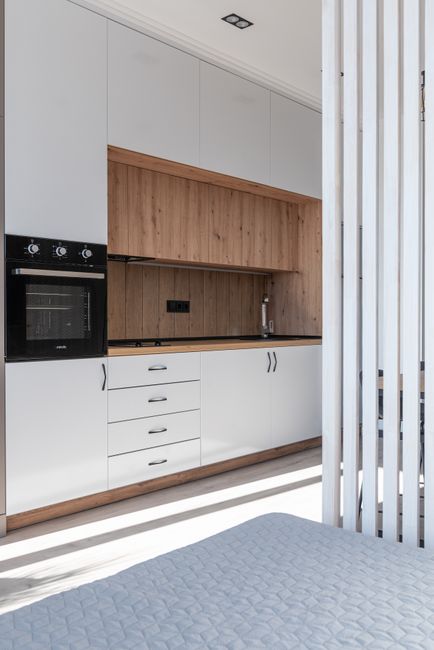
Common oven cleaning problems Harringay flats
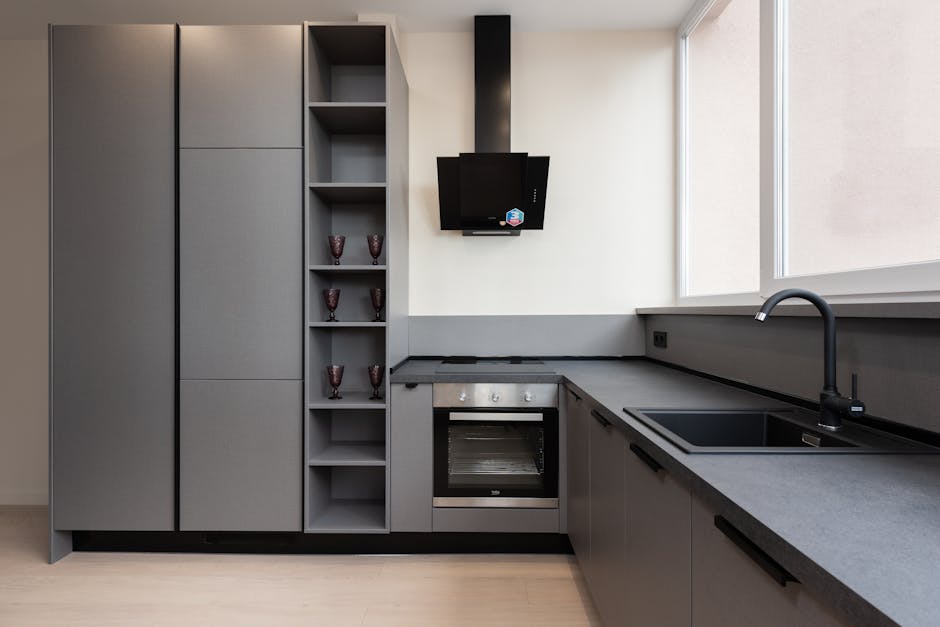
If you live in a Harringay flat, you already know the kitchen can be a tight little battlefield. One burnt-on roast, a tray of dripping chips, or a rushed midweek dinner later, and the oven starts looking and smelling like a problem you meant to deal with last Sunday. This guide to Common oven cleaning problems Harringay flats explains what usually goes wrong, why flats make oven cleaning trickier, and how to get better results without making a mess of the rest of the kitchen.
We will look at stubborn grease, built-up carbon, oven glass that never seems to come clear, awkward access in compact kitchens, and the small mistakes that make the job harder than it needs to be. You will also find a step-by-step approach, a practical checklist, and a realistic comparison of cleaning methods, so you can decide whether to tackle it yourself or book help through a specialist service such as oven cleaning or deep cleaning.
Expert summary: In most Harringay flats, oven cleaning problems are less about the oven itself and more about space, ventilation, time, and the build-up pattern created by everyday cooking. Deal with those four things properly and the job becomes much more manageable.
Why Common oven cleaning problems Harringay flats Matters
Oven cleaning in flats matters for more than just appearances. A greasy oven can smoke, smell unpleasant, and make cooking feel grim. In a small flat, those smells hang around. You notice them in the hallway, in the living room, even on your clothes if the kitchen is open-plan. Not ideal, let's face it.
Harringay flats also tend to have practical constraints that standalone houses do not. Kitchens are smaller, storage is tighter, and ventilation can be patchy. If you have a compact cooker between a radiator, a fridge, and a narrow countertop, the job becomes a balancing act. You are not just cleaning the oven; you are working around the room itself.
It also matters because neglected grease does not stay where you left it. It hardens on oven walls, collects on fan covers, drips onto trays, and can transfer onto food. The result is usually a cycle of frustration: the oven looks clean for a day or two, then the next time you cook, the same stains seem to come back out of nowhere.
For tenants, there is another layer to think about. End of tenancy expectations can be strict, and ovens are often one of the first things inspected. If you are moving out, pairing oven care with end of tenancy cleaning or move out cleaning can save a lot of last-minute stress. No one enjoys discovering blackened oven racks at 8:30 on a Sunday evening before handover.
How Common oven cleaning problems Harringay flats works
The phrase sounds simple enough, but in practice it refers to a cluster of common issues: grease build-up, burnt-on residue, scratched surfaces, poor access, strong chemical smells, and cleaning attempts that only deal with the visible layer. The deeper problem is that most ovens are cleaned reactively. People wipe the glass. They scrub the door. They forget the side rails, seals, fan area, knobs, and trays. Then the hidden grime keeps cooking in place, almost like a bad joke with better timing.
In a flat setting, this often happens because people are short on space and patience. You may not want to dismantle half the kitchen, and you may not have a spare outdoor area for soaking shelves or airing strong smells. That means the method matters. Good oven cleaning is about sequence, not brute force.
A sensible process usually starts with identifying the type of dirt. Is it light grease, sugar-based spillover, carbonised residue, or a combination? Light grease lifts differently from burnt cheese. Carbon build-up often needs more dwell time, while fresh splatter is usually removable with gentler products. If you guess wrong, you end up scrubbing harder than you should, which is where damage often begins.
You will also notice that different oven parts behave differently. The cavity may respond well to soaking, while the glass door often needs repeated passes with a non-abrasive cloth. Racks may require separate treatment. And if the oven has self-cleaning functions, those can help in some cases but are not a magic fix for years of residue. A self-cleaning cycle is not a tiny miracle in a kitchen-shaped box.
Key Benefits and Practical Advantages
When the common oven cleaning problems in Harringay flats are dealt with properly, the benefits are pretty immediate. The oven smells fresher. Food cooks more evenly. Smoke levels drop. And, perhaps just as important, you stop dreading the next roast dinner.
- Better cooking performance: Reduced grease and carbon can help heat circulate more consistently.
- Less lingering odour: Clean interiors mean fewer burnt smells every time the oven is switched on.
- Improved hygiene: Removing old residue reduces the chance of grime transferring to cookware or food.
- Lower stress before inspections: Useful for tenants, landlords, and anyone preparing a property for handover.
- Safer kitchen handling: Less greasy residue means fewer slippery surfaces and fewer surprise flare-ups.
- Longer appliance life: Regular maintenance can help prevent premature wear on seals, fans, and shelves.
There is also a more subtle gain: the kitchen feels usable again. In a flat, that matters a lot. A clean oven changes how the whole room feels. It stops being a source of embarrassment and becomes just another appliance, which is how it should be.
If your kitchen needs more than oven attention, a broader domestic cleaning or one-off cleaning visit can help reset the space in one go. That is often the easiest route when the oven problem is part of a larger build-up across the flat.
Who This Is For and When It Makes Sense
This guide is for renters, homeowners, landlords, and letting agents dealing with typical oven cleaning problems in Harringay flats. It is also useful for Airbnb hosts, because guest turnover and mixed cooking habits can make ovens deteriorate faster than expected. If you manage a short-let property, you may already know how quickly one messy weekend can undo two weeks of decent upkeep. That is where Airbnb cleaning can make a practical difference.
It makes sense to focus on oven cleaning when you notice any of the following:
- visible brown or black residue inside the oven
- smoke when the oven heats up
- unpleasant burnt smells even after cooking ends
- cloudy or streaked oven glass
- grease on racks, rails, or seals
- food taking longer to cook or browning unevenly
It also makes sense after renovations or move-ins. Building dust, packaging debris, and all the little traces of a changeover can settle in the kitchen. If the oven has been left untouched during a move, consider linking the job with move in cleaning or, if the property has just had work done, after builders cleaning.
And if you simply want the kitchen back in shape after a long stretch of cooking, that is reason enough. You do not need a dramatic excuse. Sometimes the oven is just grotty, and that is the full story.
Step-by-Step Guidance
Here is a practical way to approach the most common oven cleaning problems in Harringay flats without making the process harder than it already is.
- Switch the oven off and let it cool fully. Sounds obvious, but people do rush this. Wait until all surfaces are safe to touch.
- Remove racks, trays, and loose bits. Take out anything detachable. It is much easier to clean shelves separately than to fight around them.
- Brush out dry crumbs first. Use a soft brush or dry cloth to lift loose debris before introducing moisture.
- Apply your chosen cleaner carefully. Focus on the areas with the heaviest build-up and avoid flooding seals, fans, or electrical points.
- Allow dwell time. Grease needs time to soften. Rushing straight to scrubbing usually just smears it around.
- Work from top to bottom. Gravity is doing enough already, so use it to your advantage.
- Clean the door glass separately. Use a non-abrasive cloth and repeat if needed. Oven doors often need more than one pass.
- Rinse and wipe thoroughly. Leftover cleaner can smoke or leave streaks when the oven heats again.
- Dry everything before reassembly. Trapped moisture can create smells or affect performance.
- Run a short low-temperature heat cycle. This helps clear out remaining dampness and lingering odour.
In a flat kitchen, spacing matters too. Keep a bowl or tray nearby for screws, clips, and shelf supports. Tiny parts disappear fast on a worktop that is already crowded with tea towels, spice jars, and one rogue potato. We have all been there, more or less.
If the oven has baked-on carbon that is not shifting, do not keep attacking it in the same way. Stop, reset, and use a gentler soak or a professional method rather than scraping blindly. Repeated force can damage enamel and make the problem look worse, not better.
Expert Tips for Better Results
There are a few small habits that make a big difference, especially in compact Harringay flats where every inch of space counts.
Clean little and often. A quick wipe after the oven has cooled is far easier than one heroic marathon every few months. The less time grease has to harden, the better.
Use microfibre cloths wisely. They are good for lifting residue without leaving lint behind, especially on glass and control panels.
Soak racks separately. If you have access to a sink or bathtub, soaking shelves can save a lot of scrubbing. Just be careful about the surface underneath and always rinse well.
Protect adjacent surfaces. In a narrow kitchen, cleaner splashes can land on cupboards, tiles, or even flooring. A towel on the floor is a small thing, but a useful small thing.
Check the oven seal. If the seal is crusted over, clean gently. Pulling at it too hard can cause it to loosen or tear.
Ventilate the room. Open windows if you can, especially in the warmer months when cleaning products can feel a bit intense indoors.
Know when to stop. If a stain is not shifting, more scrubbing is not always the answer. Sometimes it is just telling you that a different method is needed.
A small human tip from experience: clean the oven before the rest of the kitchen if possible. Otherwise, by the time you get there, you may already be tired and tempted to "leave it for later". Which, of course, is how it stayed dirty in the first place.
Common Mistakes to Avoid
The most common oven cleaning mistakes are usually simple ones, but they can make a stubborn job much worse.
- Using abrasive pads on glass or enamel: This can scratch the surface and create permanent marks.
- Spraying too much cleaner: More product is not always more effective, and excess can run into unwanted areas.
- Ignoring the fan and vents: These areas collect grime that keeps recirculating heat and odour.
- Cleaning while the oven is still warm: It can make fumes stronger and increase the risk of burns.
- Forgetting to rinse: Cleaner residue can smoke the next time you cook.
- Scraping with metal tools: This is a fast way to damage finishes.
- Not removing shelves and trays: You end up cleaning around them, which is slower and less effective.
There is also the trap of believing every stain should disappear immediately. Some oven marks are years in the making. To be fair, if a problem has taken a long time to build, it may need a longer, more patient approach. That is not a failure. It is just physics with a greasy haircut.
Tools, Resources and Recommendations
You do not need a cupboard full of specialist kit to deal with the most common oven cleaning problems in Harringay flats. A sensible basic set is often enough.
- soft non-abrasive cloths
- microfibre cloths
- a soft brush for crumbs and loose debris
- rubber gloves
- a plastic or silicone scraper for safe lifting of softened residue
- small bowl or tub for soaking removable parts
- paper towels for first-pass grease removal
If the oven is heavily soiled, a professional service is often the better option. That is especially true if you are short on time, dealing with a rental deadline, or unsure about the oven's surfaces. In those cases, booking specialist oven cleaning can be more cost-effective than replacing damaged parts or spending your whole evening on a job that should have taken one hour and somehow became three.
If the rest of the flat is also due attention, consider whether regular cleaning might prevent future build-up, or whether a one-off reset is enough. In some homes, that is the cleaner long-term choice.
Law, Compliance, Standards, or Best Practice
For most households, oven cleaning is a practical maintenance task rather than a regulated one. Still, there are sensible UK best practices to follow. Cleaners should use products safely, read labels properly, ventilate where possible, and avoid mixing chemicals. That last point sounds basic, but it is one of those things that people think they remember until they are halfway through the job.
If you are a landlord, letting agent, or managing a shared property, oven condition can form part of wider property standards and inspection expectations. It is not usually about one single rule; it is about keeping the appliance hygienic, functional, and reasonably clean for the next occupant. For tenants, the practical expectation is often that the oven should be returned in a similar condition to how it was provided, allowing for fair wear and tear and any terms in the tenancy agreement.
For service providers, safe practice matters too. A trustworthy cleaning company should take care with access, equipment, chemical use, and surface protection. You can learn more about company practices, trust, and operating standards via the site's health and safety policy, insurance and safety information, and terms and conditions. Those pages matter because good cleaning is not just about shine; it is about doing the work properly and responsibly.
On the sustainability side, avoiding wasteful overuse of harsh products is generally a good habit. If you care about that side of things, the company's approach to recycling and sustainability is worth a look. Small choices add up, even in a tiny kitchen.
Options, Methods, or Comparison Table
Different cleaning approaches suit different levels of grime and different flat layouts. Here is a simple comparison to help you decide.
| Method | Best for | Pros | Limitations |
|---|---|---|---|
| Quick wipe-down | Fresh spills and light grease | Fast, low effort, good for maintenance | Won't handle burnt-on residue |
| DIY deep clean | Moderate build-up and routine resets | Cost-conscious, flexible, good for regular upkeep | Time-consuming, can be messy in small kitchens |
| Professional oven cleaning | Heavy grease, tenancy deadlines, stubborn carbon | More thorough, less stress, better for problem ovens | Costs more than doing it yourself |
The honest answer? If the oven only needs a light refresh, DIY is often enough. If the grime has gone from "a bit much" to "how did it get like that?", a specialist is usually the smarter move. There is no medal for suffering through a job the hard way.
Case Study or Real-World Example
A typical Harringay flat scenario goes like this. A tenant has lived in a one-bedroom flat for just over a year. The oven was fine at first, but with weekly roasting, tray bakes, and a few spills that were left "for later", the inside gradually darkened. The door glass became cloudy, the fan started giving off a faint smell, and every time the oven heated up, a little puff of smoke appeared.
At first, the tenant tried a standard spray-and-wipe routine. That cleaned the front edge and made the problem look better for about ten minutes. But the back wall and shelves were still coated. After removing the trays, softening the residue, and cleaning in stages, the oven improved, though the racks still needed a soak. The real turning point came when the tenant stopped trying to do the whole job in one burst.
That is the part people often miss. Oven cleaning in flats is easier when you split it into pieces. Door, shelves, cavity, seals, knobs. One section at a time. Small wins stack up.
In some cases, especially before moving, the best outcome is to bring in help and pair the oven job with a wider clean through move out cleaning. It saves energy, reduces stress, and usually leaves the property in a better state overall.
Practical Checklist
Use this quick checklist before and during cleaning.
- Turn the oven off and let it cool fully.
- Open a window if ventilation is possible.
- Remove trays, shelves, and loose debris.
- Protect nearby surfaces with a towel or cloth.
- Use non-abrasive tools on glass and enamel.
- Give the cleaner time to work before scrubbing.
- Clean the door, cavity, racks, and seals separately.
- Rinse thoroughly to remove residue.
- Dry all parts before reassembly.
- Run a short low-heat cycle if needed.
- Inspect for lingering grease or missed spots.
Practical takeaway: If the oven is only lightly dirty, staying on top of it with short, regular cleaning wins every time. If the grime is stubborn or the flat layout makes the job awkward, calling in a specialist is often the calmer, smarter choice.
Conclusion
The most common oven cleaning problems Harringay flats face are not dramatic, but they are familiar: grease that builds up quietly, cramped kitchens that make access awkward, stubborn glass, and the feeling that the job is bigger than it should be. The good news is that all of these can be managed with the right approach.
Start small, clean carefully, and do not be tempted to attack everything with maximum force. That usually ends badly. A steady method, a little patience, and the right support when needed will keep the oven usable, fresher, and far less frustrating. And in a flat, where space and time are always at a premium, that peace of mind really does count for something.
If you want a simpler route, consider booking a professional clean and get the oven back to a state you are happy with, without spending your whole evening on it.
Get a free quote today and see how much you can save.
Frequently Asked Questions
What are the most common oven cleaning problems in Harringay flats?
The biggest issues are grease build-up, burnt-on residue, cloudy oven glass, awkward access in small kitchens, and strong smells from old food deposits. Flats often make these problems feel worse because there is less space to work and less ventilation.
Why does my oven smell when I heat it after cleaning?
Usually, that means some cleaner residue, grease, or moisture is still sitting inside the oven. Wipe it down again, let it dry properly, and run a short low-temperature cycle. If the smell persists, there may be deeper residue in the fan or seals.
Can I clean a very dirty oven myself?
Yes, if you are patient and use the right tools. But if the grime is heavily carbonised or you are under time pressure, DIY can become a long, messy job. In that case, professional oven cleaning is often the easier route.
How often should an oven in a flat be cleaned?
Light maintenance after messy cooking and a deeper clean every so often is a sensible approach. The exact timing depends on how often you cook and how much splatter the oven gets. A busy household will need attention more often than a flat where the oven only sees occasional use.
Is oven cleaning different in a flat compared with a house?
Yes, mostly because of space, storage, and ventilation. In a flat, you often have less room to remove parts, less natural airflow, and fewer places to set trays or soak racks. That makes planning more important.
What should I avoid using on oven glass?
Avoid abrasive pads, metal scrapers, and anything that could scratch the surface. Use a soft cloth, a suitable cleaner, and patience. If the glass has stubborn marks, gentle repetition works better than force.
Will oven cleaning help with bad smells in my kitchen?
Usually, yes. A lot of kitchen odour comes from old grease and burnt residue. Cleaning those areas often makes the room smell much fresher. If smells remain, check for hidden residue around vents, seals, and trays.
Is a self-cleaning oven enough?
Not always. Self-cleaning functions can help with some residue, but they do not always remove every layer of grime, and they are not ideal for every situation. Follow the manufacturer's guidance and do not rely on it as your only maintenance method.
Should I clean the oven before moving out of a flat?
Yes, definitely. Oven condition is often checked during end-of-tenancy inspections. If you are preparing to leave, combining the job with end of tenancy cleaning can reduce the risk of last-minute deductions or awkward follow-up.
How long does oven cleaning usually take?
It depends on how dirty the oven is. A light clean may take under an hour, while heavier build-up can take much longer, especially if shelves need soaking. In small flats, setup and drying time can add to the job too.
What if the oven racks are too grimy to clean easily?
Remove them and soak them separately if possible. That usually makes the biggest difference. If the build-up is old and stubborn, repeated soaking and gentle scrubbing is better than trying to force everything off in one go.
Can oven cleaning damage the appliance?
It can, if the wrong products or tools are used. Harsh abrasives, overuse of chemicals, and scraping can damage enamel, seals, or glass. Safe cleaning is about control, not aggression.
When should I book a professional cleaner instead of doing it myself?
If the oven has heavy carbon build-up, you have limited time, or the flat layout makes the job awkward, professional help is a sensible choice. It is also a good option if the oven is part of a wider reset with deep cleaning or another home cleaning service.