Haringey Council waste rules for Harringay cleaners: a practical guide for cleaner, safer waste handling
If you clean homes, offices, lettings, or communal spaces in Harringay, waste handling is one of those jobs that looks simple right up until it isn't. Haringey Council waste rules for Harringay cleaners affect everything from bagging and bin placement to recycling, bulky items, and what to do when a client leaves you a mountain of mixed rubbish on a Monday morning. Get it wrong and you risk complaints, delays, extra labour, and in some cases a messy compliance headache. Get it right and the whole job feels smoother, safer, and more professional. Truth be told, it also saves time.
This guide breaks the topic down in plain English. You'll find what the rules mean in practice, how to build waste handling into your cleaning routine, common mistakes to avoid, and the steps that help you stay tidy, efficient, and on the right side of local expectations. If you already offer domestic cleaning or commercial cleaning, this is the sort of background knowledge that quietly makes your service look more polished.
Expert summary: For cleaners in Harringay, the real goal is not just "throw it away properly". It's to separate waste correctly, avoid contamination, respect collection timings, keep sharps and hazardous items out of ordinary bags, and leave properties, bins, and communal areas as the council and residents expect.
Contents
- Why Haringey Council waste rules for Harringay cleaners matters
- How Haringey Council waste rules for Harringay cleaners works
- Key benefits and practical advantages
- Who this is for and when it makes sense
- Step-by-step guidance
- Expert tips for better results
- Common mistakes to avoid
- Tools, resources and recommendations
- Law, compliance, standards, or best practice
- Options, methods, or comparison table
- Case study or real-world example
- Practical checklist
- Conclusion
- Frequently asked questions
Why Haringey Council waste rules for Harringay cleaners Matters
Waste is one of the first things people notice after a clean. Not the sparkle on the glass, not the straightened cushions. The bin bag in the hallway, the recycling in the right container, the cardboard stacked neatly, the smell left behind after a removal job - that's what clients remember. And councils notice too, especially where bins are left out incorrectly, waste is contaminated, or rubbish ends up spilling into shared spaces.
For cleaners working in Harringay, the council's waste rules matter for a few practical reasons. First, they affect how you separate waste. Second, they influence where and when waste can be presented for collection. Third, they help you avoid leaving behind a job that looks finished on paper but not in reality. A perfectly cleaned kitchen still feels half-done if the waste trail is messy. You know the feeling.
There's also a reputational angle. Tenants, landlords, Airbnb hosts, managing agents, and office managers all judge professionalism by the small details. If a cleaner understands waste routines, recycling expectations, and how to deal with awkward items like broken glass, food waste, or packaging from appliances, they instantly look more reliable. That can matter just as much as the cleaning itself.
For certain work, such as end of tenancy cleaning, after builders cleaning, or office cleaning, waste rules are not background detail. They are part of the service. Builders' dust, empty adhesive tubes, packaging, old fixtures, food packaging, and mixed rubbish can quickly become a compliance and logistics issue if nobody thinks ahead.
How Haringey Council waste rules for Harringay cleaners Works
At street level, waste rules usually come down to a simple idea: sort the right material into the right container, present it correctly, and do not put out items that the collection system is not designed to take. In practice, that means a cleaner needs to know what counts as general rubbish, what can be recycled, what is food waste, what needs special handling, and what should never be mixed in with ordinary household waste.
For Harringay cleaning jobs, this often plays out in very ordinary scenes. A domestic clean may leave a couple of black bags, a recycling box full of mixed packaging, and some food waste. A shared hallway clean may involve ensuring the right bins are used and lids are shut properly. A move-in job may involve removing cardboard and protective wrapping. A move-out job might include stripped bedding, old hangers, and the odd forgotten item left under a bed. None of that is dramatic, but it all needs handling sensibly.
The rules also work differently depending on the type of property. In a flat block, the main issue is often communal bin access and neighbour impact. In a house, the focus may be keeping the wheelie bins correctly filled and not overstuffed. In a business setting, waste streams are usually more structured and need tighter separation. A cleaner doing communal area cleaning or regular cleaning will usually need a slightly different routine from someone doing one-off jobs.
It helps to think of waste management as part of the clean itself, not a final afterthought. That small mental shift is a big deal. Once it becomes part of the process, it is easier to train staff, quote accurately, and avoid those awkward "oh, I didn't realise that couldn't go there" moments.
Key Benefits and Practical Advantages
Following local waste expectations brings benefits that go beyond being tidy. The most obvious is reduced risk of complaints. Residents are much less likely to be annoyed if their bins are used correctly, overflow is avoided, and rubbish is not left in a corridor or front garden. Simple enough, but worth saying.
Another benefit is speed. When cleaners already know how to separate waste, there is less stopping and starting. You spend less time wondering whether packaging goes with recycling, whether food waste should be double-bagged, or whether that broken mop bucket is client waste or something that needs separate collection. The job flows better.
There's also a quality angle. A clean that ends with organised waste removal feels finished. That matters particularly for hosts and landlords preparing a property for the next occupancy. If you've ever walked into a freshly vacuumed room only to find three full bags sitting by the door, you'll know how quickly the impression changes. Little things, big effect.
For cleaners who offer specialist services, waste compliance can also help avoid damage. Think of carpet cleaning or sofa cleaning: you may have waste from packaging, used cloths, or disposable protective materials. If those items are handled carefully, they do not cross-contaminate the clean area. That sounds minor, but in real life it keeps the place smelling fresh and looking professional.
| Approach | What it looks like in practice | Main advantage | Main risk if done badly |
|---|---|---|---|
| Basic bag-and-bin method | General waste in one bag, recycling in another, bins left neatly on collection day | Fast and simple | Contamination if mixed items are not checked |
| Sorted waste method | Different streams kept separate throughout the clean | Better compliance and less sorting later | Needs a bit more training and attention |
| Client-directed method | Cleaner follows building or client-specific bin instructions | Useful in managed blocks and offices | Instructions can be unclear if nobody explains them |
| Special waste escalation | Hazardous, bulky, or sharp items flagged and left for proper handling | Improves safety | Requires good judgement and clear communication |
Who This Is For and When It Makes Sense
This topic matters to a few different groups, and the needs are not quite the same for each one. A domestic cleaner in Harringay may mainly need to understand household bins, recycling separation, and the client's preferences. A landlord-focused cleaner may need to deal with end-of-tenancy rubbish, fly-tipped items, and the occasional forgotten bag in the loft. An office cleaner may need to work around internal waste points and collection schedules. Same borough, different mess. Life is rarely neat, is it?
It makes sense for anyone cleaning properties where waste leaves the building as part of the service. That includes:
- independent cleaners and small cleaning teams
- property managers and landlords
- Airbnb hosts who need quick turnaround between stays
- office managers responsible for a tidy workspace
- builders or post-refurbishment teams needing a hand with site tidy-up
- households wanting regular, predictable waste routines
For example, a host using Airbnb cleaning may need bins reset, food waste removed, and recycling left in the right place before the next guest arrives. A household booking house cleaning may need help making sure waste does not drift from the kitchen into the rest of the property. It's small stuff, but it makes the service feel complete.
Step-by-Step Guidance
If you want a simple working system, start here. This is the practical part, the bit that turns "I should probably sort that later" into a repeatable routine.
- Check the property's bin setup before you start. Look for general waste, recycling, food waste, glass containers, or any special arrangements in the building. In a communal block, the bin room can be a bit of a puzzle the first time round.
- Separate waste as you go. Do not let everything collect into one pile. Keep packaging, food scraps, disposable cloths, and client clutter apart where possible. It is much easier than untangling it at the end.
- Keep sharp or risky items out of ordinary bags. Broken glass, razors, and needles need extra care. If you see a sharps-type risk, stop and handle it safely. No heroics required.
- Use clear bags or labelled containers where helpful. This is especially useful for teams. If someone else is finishing the job, they should know what's what at a glance.
- Respect collection points and timing. Do not block entrances, stairwells, or shared paths with waste. If bins must go out for collection, place them where the building or local system expects them.
- Leave the area cleaner than you found it. Wipe drips, close lids, and check that recycling hasn't blown about. A tidy bin area says a lot.
- Report unusual waste. If you find bulky furniture, electrical items, paint, clinical waste, or something you are unsure about, tell the client rather than guessing.
A small real-world tip: if you are doing a late afternoon clean and the bin area already smells warm and stale, deal with waste early while your energy is still good. Don't leave it until the last five minutes when everyone is half-ready to go home. That last-stage rush is when mistakes happen.
Expert Tips for Better Results
One of the best habits is to create a "waste scan" at the start and end of every job. The first scan tells you what you are dealing with. The second scan confirms nothing has been missed. It takes less than a minute, and it saves that awkward return to the kitchen because a black bag was left behind the door. Been there. Not ideal.
Another good habit is to standardise the order of operations. For example: collect obvious rubbish first, sort recyclables during the mid-clean, and handle final bin placement last. This keeps the property livable while you work, and it reduces the chance of re-crossing clean areas with dirty waste.
For cleaners working with clients on a regular basis, a short note in the job record can help. You might record things like "recycling box on rear patio", "food waste bin in alley", or "client requests all cardboard flattened". Nothing fancy. Just enough to avoid relearning the property each time.
If you offer services like deep cleaning or move-out cleaning, ask about waste before the visit, not after. A job involving cupboards, lofts, or storage spaces can hide more rubbish than the client expected. It's better to know early whether you're looking at two rubbish bags or a mini clear-out.
And yes, communication matters. A simple question such as "Do you want me to take the waste to the shared bins, or leave it bagged inside?" prevents a lot of frustration. Clear beats clever every time.
Common Mistakes to Avoid
The most common mistake is mixing everything together. It feels efficient in the moment, but it often causes more work later and can lead to contamination in recycling streams. Food in the wrong container is a classic one. So is putting packaging in with greasy wipes. Not glamorous, but common.
Another mistake is assuming every bin area is the same. In Harringay, buildings vary a lot. Some have well-labelled communal bins; others have awkwardly placed enclosures, narrow access, or instructions pinned up that nobody reads. If you guess, you can easily put waste in the wrong place or block access for neighbours.
Cleaners also sometimes overstep by moving items they should not touch. Bulky electrical waste, old paint tins, damaged furniture, and suspect sharps need caution. If a cleaner is not trained or authorised to handle them, the safest move is to flag them, not improvise.
And then there is the "I'll take it with me" problem. That sounds helpful, but unless the waste is yours and you have the correct arrangements, it can become a compliance and disposal issue. Be careful here. Helpful is good. Guessing is not.
A final one: leaving waste in a visually clean but functionally messy state. For example, bins put out but lids not closed, cardboard flattened but left in a damp heap, or recyclable items scattered across a path. That sort of finish is exactly what clients remember on a rainy London afternoon.
Tools, Resources and Recommendations
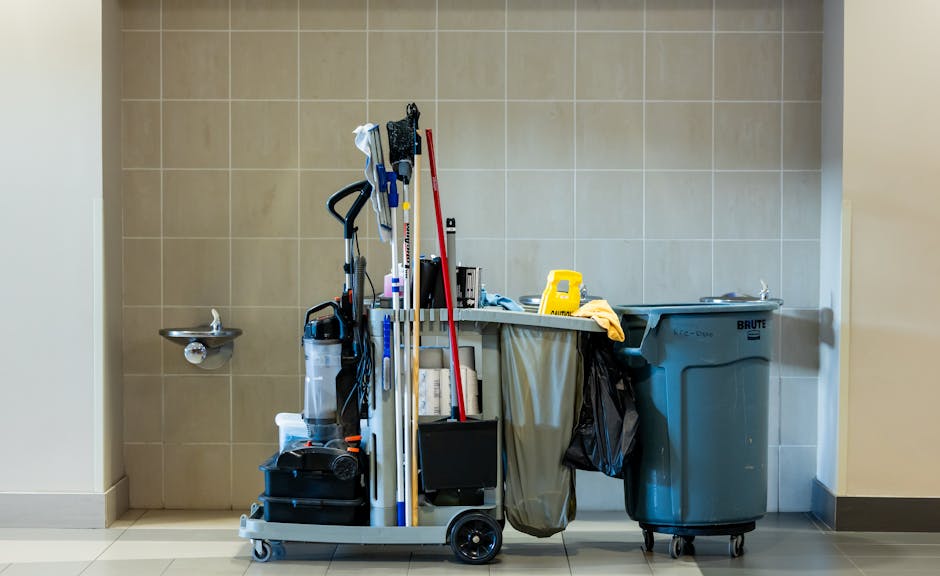
You do not need fancy gear to handle waste properly, but a few basic tools help enormously.
- Strong waste bags for general rubbish and heavier mixed waste
- Reusable gloves or suitable disposable gloves for dirty or unknown items
- Label stickers or marker pens if your team sorts waste on the job
- Compact caddy or secondary bag for collecting small items during the clean
- Hand sanitiser and wipes for quick hygiene resets after handling bins
- Job notes system to track building-specific bin instructions
There are also a few pages on the company site that can support a better service experience. If you are building a professional cleaning routine, the recycling and sustainability approach explains the broader mindset behind responsible disposal, while the health and safety policy and insurance and safety information are useful reminders that waste handling is not just housekeeping - it is part of safe working practice.
If the work is service-led and you need clarity around scope, the terms and conditions and pricing and quotes pages are worth a look too, because waste-heavy jobs often need more time than a standard tidy-up. A proper quote beats an awkward surprise, every time.
Law, Compliance, Standards, or Best Practice
This is the part where careful wording matters. Waste rules can involve local council expectations, building rules, landlord instructions, and wider UK waste-handling duties. The exact requirements depend on the property type, the waste type, and who is responsible for disposal. So it is sensible to treat local council guidance as the baseline, then layer on client-specific instructions and basic UK best practice.
In practical terms, that means cleaners should:
- avoid mixing recyclable and non-recyclable waste where separation is expected
- keep food waste and general waste apart if the property's system requires it
- treat sharps, chemicals, and unusual waste with extra caution
- respect communal areas and access routes
- not leave waste where it causes obstruction, contamination, or nuisance
For businesses, this is especially relevant because office waste can include paper, packaging, confidential material, and food waste from staff kitchens. A cleaner working in that environment should be alert to the difference between everyday rubbish and anything that needs a manager's attention. For example, the cleaner can empty bins, but confidential files or electronic disposal issues may need separate handling by the client. That's just sensible practice.
Where uncertainty exists, the safest professional habit is to pause and ask. Nobody ever won points for confidently putting the wrong thing in the wrong bin. Seriously, nobody.
Options, Methods, or Comparison Table
Different cleaning jobs call for different waste routines. Here's a simple comparison to help you decide what fits best.
| Method | Best for | Pros | Watch-outs |
|---|---|---|---|
| Standard household sorting | Domestic cleans and routine visits | Easy to train, quick to repeat | Needs consistency from the client side too |
| Room-by-room collection | Deep cleans and larger homes | Keeps the job organised, reduces missed waste | Can take longer if clutter is heavy |
| Building-specific bin use | Flats and managed blocks | Matches communal systems and local access | Relies on clear signage and instructions |
| Escalation-first handling | Unusual, bulky, or risky waste | Safest approach for uncertain items | Requires client follow-up and communication |
In real life, cleaners often blend methods. For instance, a morning domestic clean may use standard sorting, while an afternoon move-out job shifts to room-by-room collection because the property is full of mixed items. That flexibility is normal. The key is not the method itself, but using one deliberately rather than scrambling.
Case Study or Real-World Example
Picture a small Harringay flat at the end of a tenancy. The property looks decent at first glance, but once the clean begins there's cardboard from a flat-pack shelf, food waste in the kitchen, a couple of broken hangers, and a bag of mixed odds and ends tucked behind the sofa. Nothing shocking, just familiar end-of-tenancy clutter.
A good cleaner handles it in stages. Cardboard is flattened so it takes less room. Food waste is separated and bagged safely. Small general waste goes where it should. The broken hangers are checked before disposal so nothing sharp gets missed. The bin area is left tidy, lids shut, no trail of crumbs by the back door. The client walks in later and sees a place that feels genuinely ready. Not "almost ready". Ready.
Now compare that with the messy version: everything in one black bag, recycling contaminated, packaging left on the kitchen floor, and a bin left half-open near the entrance. Same property, same amount of work, very different impression. That is why waste handling deserves more attention than people give it.
This kind of approach also helps if the job includes move-in cleaning or one-off cleaning, where the client wants a fresh start rather than a general tidy. The waste process quietly sets the tone.
Practical Checklist
Use this checklist before you finish a job:
- Have I checked the property's bin setup?
- Have I separated recyclables from general waste where required?
- Have I kept food waste, sharp items, and unusual waste apart?
- Have I flattened cardboard and bulky packaging?
- Have I left bin lids closed and access paths clear?
- Have I confirmed whether any bulky, hazardous, or unusual items need client follow-up?
- Have I wiped down any surfaces or bin edges touched during disposal?
- Have I noted anything important for the next visit?
- Would a client walking in now see a properly finished job?
If you can answer yes to most of those without thinking too hard, you are probably in good shape. If not, don't panic. Just tighten the routine next time. That's how better systems are built - one ordinary job at a time.
Conclusion
Haringey Council waste rules for Harringay cleaners are not about making life awkward. They are about keeping cleaning work safe, tidy, and credible in the real world. Whether you are managing a family home, a shared building, a rental turn-around, or a workplace, waste handling affects how complete the job feels and how well it is received. It also affects how much time you save, how many callbacks you avoid, and how professional your service looks from the curb to the kitchen.
The best cleaners do not treat waste as a separate chore. They build it into the workflow. They ask the right questions, sort as they go, avoid risky assumptions, and leave every property a little calmer than they found it. That is the real standard here. Not perfect. Just careful, practical, and consistent.
Get a free quote today and see how much you can save.
If you are refining your service, the next step is simple: review how waste is handled on your current jobs, tighten the process, and keep your instructions clear. Small improvements add up fast, and in cleaning, the small stuff is rarely just small stuff.
Frequently Asked Questions
What are the main Haringey Council waste rules cleaners should know?
The main things to understand are waste separation, correct bin use, safe handling of sharp or unusual items, and not leaving rubbish in shared access areas. The exact setup can vary by property type, so a quick check at the start of the job is always wise.
Do Harringay cleaners need to sort recycling from general waste?
Usually, yes, where the property or building provides separate recycling arrangements. Mixing everything together can create contamination and make the job look untidy, so it is best to sort waste as you clean rather than leaving it for the end.
Can a cleaner take waste away from the property?
Only if that is agreed, appropriate for the waste type, and within the correct disposal arrangements. In many cases, it is safer to leave disposal to the property's normal waste system or to ask the client how they want unusual waste handled.
What should I do with broken glass or other sharp items?
Handle them carefully, keep them separate from ordinary waste, and use suitable protection. If the item looks risky or unusual, stop and flag it to the client rather than guessing. That is the safer, more professional move.
How do waste rules affect end-of-tenancy cleaning?
They matter a lot because end-of-tenancy jobs often include leftover rubbish, packaging, food waste, and forgotten items. A clean is only truly finished if the waste is managed properly and the property is left clear for the next person.
Are communal bin areas a problem for cleaners in Harringay?
They can be, mainly because access, signage, and collection points vary from block to block. A cleaner should check how the building expects waste to be presented and make sure nothing is left blocking doors, corridors, or shared paths.
What is the biggest mistake cleaners make with waste?
The biggest mistake is probably rushing and putting mixed waste into one bag without checking what else is in it. It saves a minute at the time, then causes a headache later. Waste handling really rewards patience.
Does office cleaning need different waste handling from house cleaning?
Yes, often it does. Offices usually have more structured waste streams, more paper and packaging, and sometimes confidential material that should not be handled casually. House cleaning is more personal and varied, but it is usually simpler to manage.
How can cleaners keep waste handling consistent across jobs?
Use the same routine every time: check bins first, sort as you go, separate risky items, and finish with a final waste scan. A short note system for each property also helps, especially for repeat clients and managed buildings.
What should I do if a client leaves unusual waste?
Pause and ask for clarification. If the item is bulky, hazardous, electronic, or uncertain, do not assume it can go with ordinary rubbish. A quick message to the client prevents mistakes and keeps everyone safer.
Is waste handling part of professional cleaning standards?
It should be, yes. Even where there is no special requirement, good practice expects cleaners to leave the property tidy, avoid contamination, and respect local waste arrangements. It is one of those things people notice straight away, even if they never say it out loud.
Where can I learn more about responsible cleaning practices on this site?
You can look at the pages on recycling and sustainability, health and safety, and insurance and safety for a broader picture of how professional cleaning is handled responsibly.